Why Mobile Apps Have Become Essential in Everyday Life
Think about a normal day.
You wake up and check your messages. You order breakfast, book a cab, make a digital payment, attend a meeting, purchase something online, track a delivery, or watch a movie—all from a smartphone.
What connects many of these activities?
Mobile applications.
Mobile apps have moved beyond being simple tools for entertainment. They have become part of how people communicate, work, travel, shop, learn, pay, and manage everyday activities.
For businesses, this shift also creates an important opportunity: a mobile app can become a direct connection between the business and its customers.
Why Do People Depend on Mobile Apps Every Day?
The biggest reason is simple:
Convenience.
People want to complete tasks with fewer steps and less waiting.
Instead of visiting a store to check a product, customers can browse it from their phone.
Instead of visiting a bank for a simple transaction, they can make a payment digitally.
Instead of waiting for a taxi on the street, they can book one through an app.
Mobile applications bring these services directly to the user's hand.
Mobile Apps in Everyday Activities
Mobile applications are now used across almost every part of daily life.
Communication
Messaging and social applications allow people to communicate instantly, regardless of location.
Payments
Digital payment applications make it possible to transfer money, pay bills, scan QR codes, and manage transactions within seconds.
Shopping
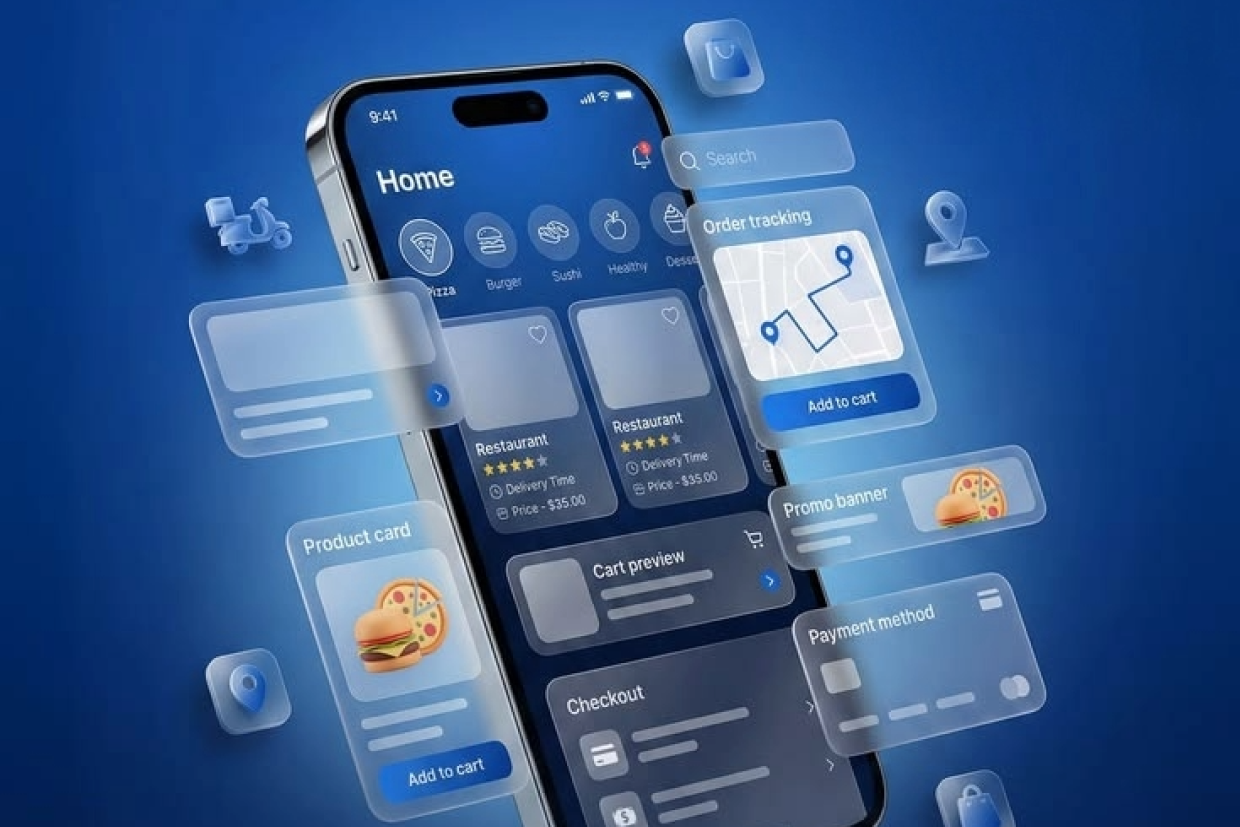
E-commerce apps allow customers to search products, compare prices, place orders, and track deliveries without visiting a physical store.
Food
Food delivery applications connect customers with restaurants and provide ordering and delivery tracking from one platform.
Travel
Travel applications help users book flights, hotels, taxis, and transportation while providing navigation and real-time updates.
Healthcare
Healthcare applications make appointments, consultations, medicine reminders, and health information more accessible.
Learning
Students and professionals can access courses, educational resources, tests, and learning platforms directly from mobile devices.
How Mobile Apps Save Time
One of the biggest advantages of mobile applications is reducing unnecessary steps.
| Traditional Approach | Mobile App Approach |
|---|---|
| Visit a physical location | Access services remotely |
| Wait in queues | Complete tasks digitally |
| Call for information | Get information instantly |
| Carry physical documents | Access digital records |
| Manual payments | Digital payments |
| Track orders manually | Real-time tracking |
The result is a more convenient experience for users.
Mobile Apps Are Also Changing Customer Expectations
As people become accustomed to fast digital services, their expectations change.
Customers increasingly expect businesses to provide:
- Faster communication
- Easy online services
- Real-time updates
- Digital payments
- Personalized experiences
- Simple booking and ordering
- Quick customer support
Businesses that provide these experiences can create stronger relationships with their customers.
Why Businesses Need a Mobile App
A mobile application is not simply another digital channel.
It can become a direct connection between a business and its customers.
A website may help customers discover a business, but a mobile app can provide a more personalized and convenient experience through features such as notifications, saved preferences, location services, mobile payments, and personalized recommendations.
For example, a retail business can use its mobile app to provide product recommendations, order tracking, loyalty rewards, and personalized offers.
The Value of a Mobile App for Businesses
A well-designed mobile application can help businesses:
- Reach customers directly through their smartphones.
- Improve customer convenience by simplifying important tasks.
- Increase engagement through personalized experiences and notifications.
- Collect useful insights about customer behavior and preferences.
- Build loyalty through rewards, memberships, and personalized services.
- Create new digital revenue channels through subscriptions, purchases, bookings, or services.
A Mobile App Should Solve a Real Problem
Having an app is not valuable simply because competitors have one.
The application should provide something useful.
A successful app should answer one important question:
“What problem does this app make easier for the customer?”
For one business, it may be faster ordering.
For another, it may be easier booking.
For another, it could be digital payments, customer support, learning, delivery tracking, or personalized services.
The strongest mobile applications are built around real customer needs, not unnecessary features.
What Makes a Mobile App Useful?
Users are more likely to continue using an application when it provides:
Simple Navigation
Users should be able to find what they need without confusion.
Fast Performance
Screens, searches, and actions should respond quickly.
Useful Features
Every major feature should provide clear value.
Security
Personal information and transactions must be handled securely.
Personalization
Relevant content and services can make the experience more useful.
Consistent Updates
Regular improvements help the application remain reliable and relevant.
The Future of Everyday Mobile Apps
Mobile applications are becoming increasingly intelligent.
AI-powered recommendations, voice interactions, location-based services, digital wallets, automation, and personalized experiences are changing how people interact with mobile services.
The smartphone is gradually becoming more than a communication device.
It is becoming a personal digital assistant for everyday activities.
Businesses that understand this shift can use mobile applications to create more convenient and meaningful customer experiences.
Conclusion
Mobile apps have become an important part of everyday life because they make common activities faster, simpler, and more accessible.
From ordering food and paying bills to travelling, shopping, learning, and managing services, mobile applications have changed how people interact with the world around them.
For businesses, the opportunity goes beyond simply creating an app.
The real opportunity is to build a mobile experience that solves a genuine customer problem.
At Vriksha Techno Solutions, we help businesses transform their ideas into user-focused mobile applications designed around real-world needs, seamless experiences, and scalable technology.
Ready to Build Your Next Digital Product?
Our experts will respond within 24 hours with a tailored approach for your project.