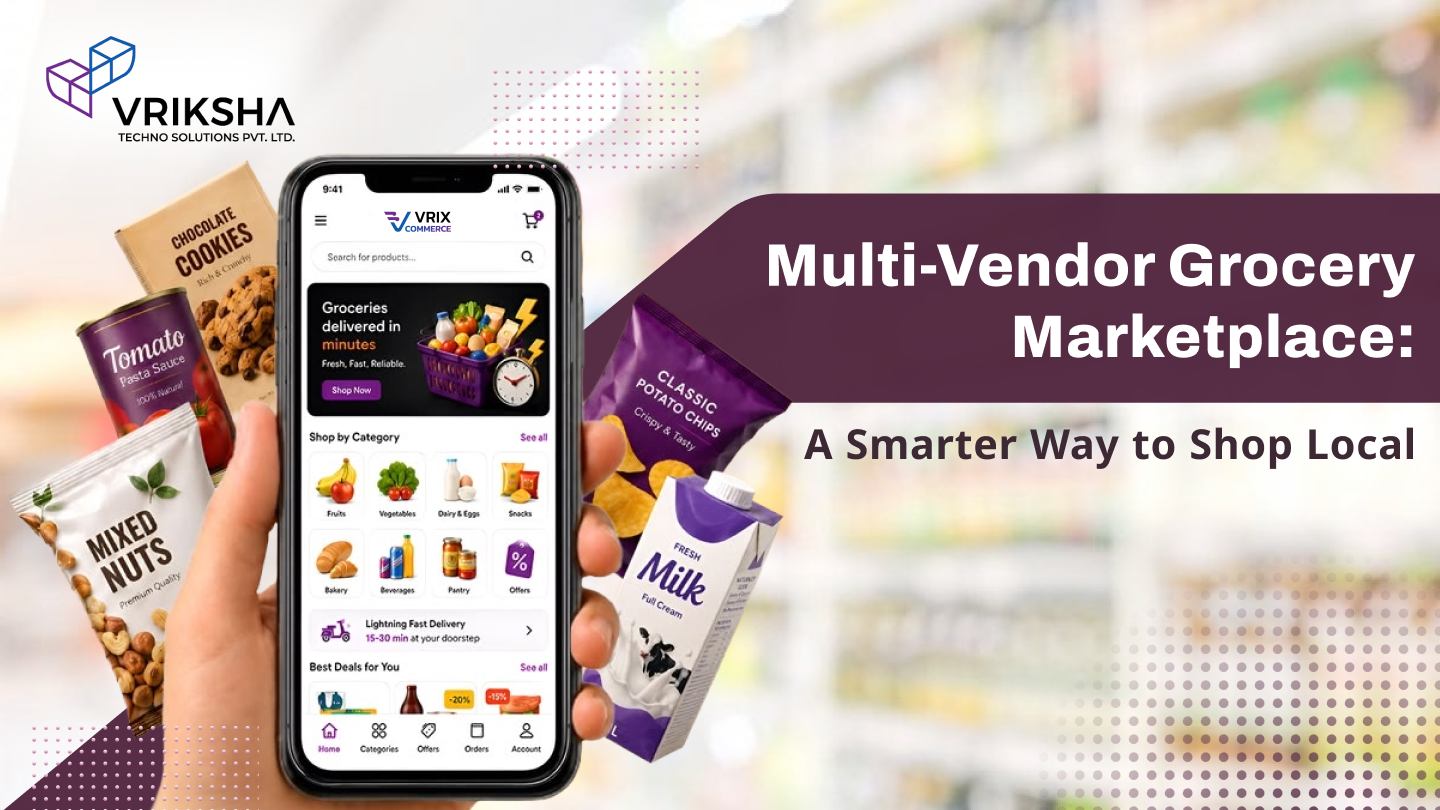
Multi-Vendor Grocery Marketplace: A Smarter Way to Shop Local
Buying groceries online should be convenient, flexible, and easy to manage. Customers want to find products available near them, compare stores, choose suitable delivery times, and complete their purchases without unnecessary steps. For local grocery retailers, an online marketplace creates an opportunity to reach more customers while managing products and orders digitally.
A multi-vendor grocery marketplace brings multiple grocery stores together on one digital platform. Customers can explore nearby shops, browse products, order from different sellers, and choose delivery or store pickup. Sellers manage their products and orders, delivery staff handle assigned deliveries, and administrators oversee marketplace operations from a centralized system.
What Is a Multi-Vendor Grocery Marketplace?
A multi-vendor grocery marketplace is an online shopping platform where multiple independent grocery stores sell products through a shared website or connected application experience.
Unlike a single-store grocery website, a multi-vendor marketplace allows customers to discover different participating shops in their service area. Each seller can manage its store, product listings, inventory, and orders, while the marketplace administrator manages platform-wide settings and business rules.
The marketplace can bring together everyday grocery shopping, location-based product discovery, order processing, payment options, and delivery management in one connected experience.
How Does a Grocery Marketplace Work?
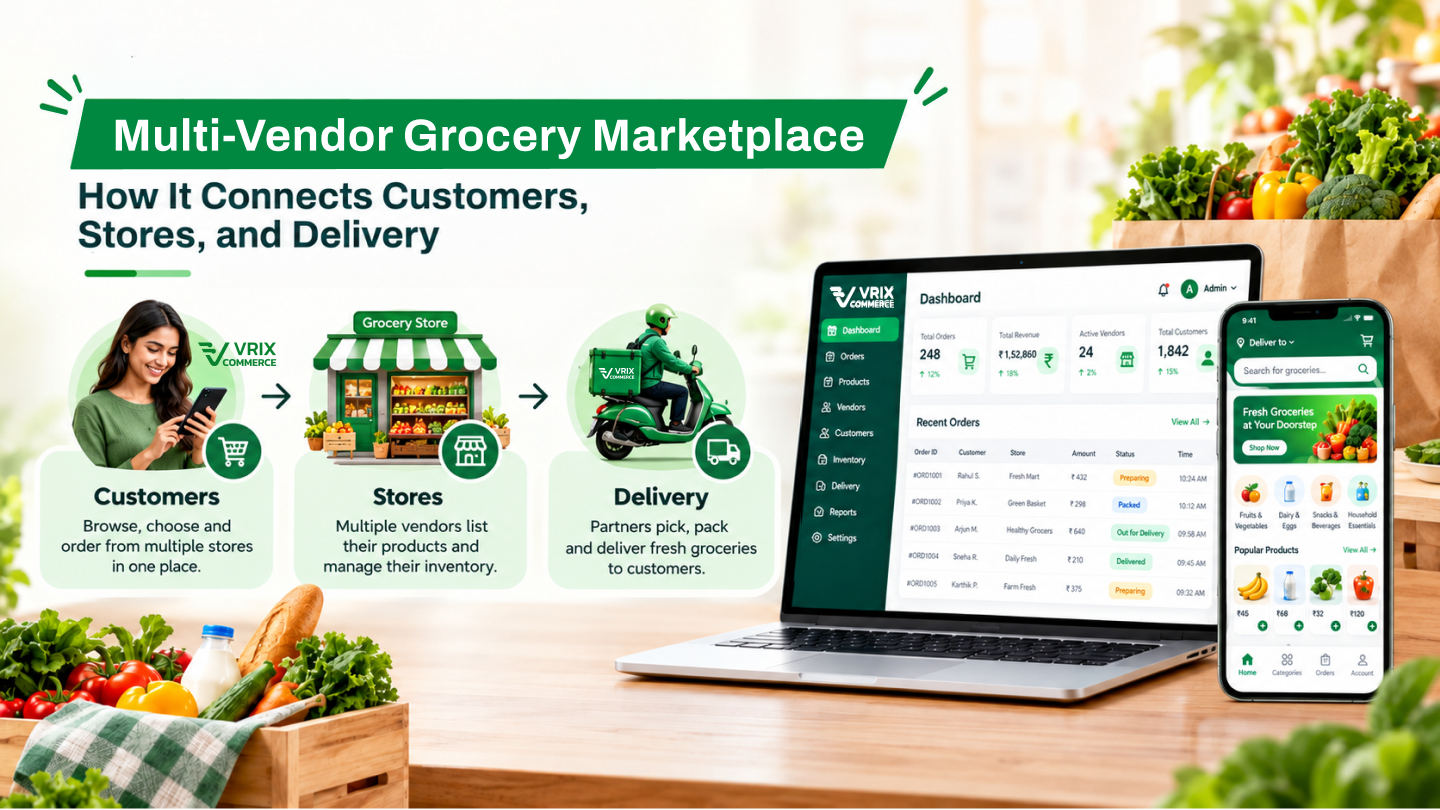
A typical grocery marketplace connects four key participants: customers, grocery sellers, delivery staff, and administrators.
- Customers choose a location: They enter a postal code or allow location detection to find stores serving their area.
- Nearby products appear: The marketplace displays relevant stores and products available within the selected location.
- Customers shop and check out: They add products to their cart, review the order, select delivery or pickup, and choose an available payment method.
- Sellers process orders: Grocery stores manage their order requests and prepare accepted orders according to the marketplace workflow.
- Delivery staff fulfill deliveries: Eligible delivery requests can be accepted by delivery staff through the supported application.
- Administrators oversee operations: The platform team manages users, sellers, products, commissions, and marketplace settings.
This structured process helps coordinate shopping and fulfillment across multiple stores without requiring each seller to operate a completely separate online platform.
Key Features of a Multi-Vendor Grocery Marketplace
1. Location-Based Store and Product Discovery
Grocery availability and delivery convenience often depend on where the customer lives. Location-based discovery helps shoppers find participating stores and products relevant to their area.
A marketplace can allow customers to:
- Use supported browser-based location detection.
- Enter or update their location manually.
- Browse stores operating in available cities or service areas.
- Find products from shops serving their selected location.
- Search for products and stores by keyword.
- Explore products by category, brand, or store.
Showing relevant local stores helps customers discover suitable options and gives participating grocery retailers a way to reach nearby shoppers.
2. Product Search, Filters, and Comparisons
A well-organized product catalog makes online grocery shopping easier. Customers should be able to find the items they need, understand product options, and compare relevant alternatives.
Product discovery features can include:
- Search by product name or keyword.
- Browse by category, brand, or store.
- Filter products by price, category, and brand.
- Sort products by price or popularity.
- View descriptions, specifications, offers, and product ratings.
- Select product variants, such as different package sizes.
- Discover related products and products offered by other sellers.
- View volume discounts when sellers offer them.
For example, a customer searching for rice may be able to compare available package sizes and review offers from participating stores before deciding what to buy.
3. Shopping Across Multiple Stores
One useful feature of a multi-vendor marketplace is the ability to add products from multiple sellers to a single shopping cart. Customers can browse different stores during one shopping session instead of starting a completely separate purchase each time.
Because individual sellers manage their own products and orders, the marketplace can organize the overall purchase into seller-specific order sections for processing.
Customers can also save favorite products and stores, revisit their favorites, and reorder eligible purchases from their order history.
This approach makes it easier for customers to discover a broader selection while allowing each seller to retain control over its own inventory and order fulfillment.
4. Flexible Checkout, Delivery, and Store Pickup
Not every customer wants the same fulfillment option. Some prefer doorstep delivery, while others may want to collect their groceries directly from a store.
A marketplace can support a checkout workflow that includes:
- Selecting delivery or store pickup.
- Choosing an available delivery or pickup slot.
- Selecting a saved address or entering a new address.
- Reviewing the order and removing unwanted items.
- Applying eligible discount coupons.
- Reviewing applicable charges before completing the purchase.
Click-and-collect can be particularly useful for customers who want to place an order online and pick it up at the store. Under a configured pickup policy, delivery charges may not apply because the customer collects the order personally.
Seller-defined free-shipping conditions can also be used where supported. The marketplace should clearly explain which orders qualify and who is responsible for applicable delivery costs.
5. Multiple Payment Options and Wallet Support
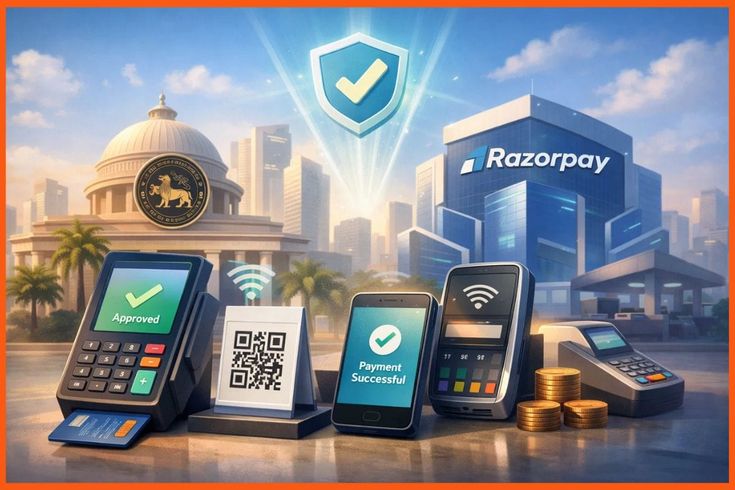
Payment flexibility helps customers complete orders using supported methods. A marketplace can enable multiple payment gateways and allow customers to select an available option at checkout.
Depending on the payment configuration, the platform can support:
- Multiple administrator-enabled payment methods.
- Wallet balances for eligible transactions.
- Combining an available wallet balance with another supported payment method when the wallet balance is insufficient.
- Order payment records and transaction history.
- Seller earnings and withdrawal requests.
- Delivery staff earnings and wallet transactions.
The exact payment options depend on the gateways integrated into the platform. Payment processing, settlement, refunds, and withdrawals should follow clearly defined business rules.
6. Multilingual and Multi-Currency Shopping
Marketplaces serving customers across regions may need to accommodate different languages, currencies, and reading directions.
Multilingual support can help users navigate the interface in their preferred supported language. Right-to-left and left-to-right layouts can accommodate languages that use different writing directions.
Multi-currency support allows customers to view product prices in a currency selected from the currencies configured by the administrator.
These capabilities can help a marketplace serve a broader audience. However, displaying prices in multiple currencies does not by itself guarantee automatic foreign-exchange conversion or international payment settlement; those behaviors depend on the implementation.
7. Seller Store and Inventory Management
Grocery sellers need a practical way to maintain their online stores and keep product information organized. A seller dashboard can provide tools for managing products, inventory, orders, and earnings.
Common seller-management capabilities include:
- Managing store details and operating information.
- Adding and updating product listings.
- Managing product options, prices, and offers.
- Tracking available stock and inventory value.
- Reviewing ordered stock and inventory status.
- Processing orders and updating their status.
- Managing eligible cancellations and order requests.
- Reviewing sales and earnings information.
- Accessing wallet transactions and withdrawal workflows.
Inventory visibility is especially important for grocery businesses because products can sell quickly. Keeping stock information current helps sellers manage their catalogs more effectively and reduces the risk of displaying unavailable items.
8. Delivery Staff Application and Order Tracking
Order fulfillment is a critical part of grocery delivery. A dedicated delivery staff application can help delivery workers view eligible requests and manage accepted orders.
Delivery workflows can include:
- Accepting or rejecting delivery requests.
- Viewing accepted orders.
- Updating orders as picked up or out for delivery.
- Viewing the buyer's delivery location.
- Using supported map navigation to reach the destination.
- Marking completed deliveries.
- Reviewing delivery earnings and commission deductions.
- Managing bank details and withdrawal requests.
Order status updates help keep the delivery process organized. Map navigation can also help delivery staff move between pickup and delivery locations when the required mapping integration is enabled.
9. Centralized Marketplace Administration
As the number of participating stores grows, marketplace administrators need a central place to manage accounts, products, orders, and financial settings.
An administration dashboard can support:
- Managing customers, sellers, and delivery staff.
- Adding, updating, activating, or deactivating products and stores.
- Managing seller inventory and product categories.
- Configuring payment methods and supported currencies.
- Setting product-order and delivery commission rules.
- Managing website pages, banners, and promotional content.
- Reviewing orders and financial activity.
- Monitoring registrations, sales, and product activity.
- Managing relevant notification templates and platform settings.
Centralized administration gives the marketplace operator a consistent way to manage the platform while allowing sellers and delivery staff to focus on their assigned responsibilities.
How Can a Multi-Vendor Grocery Marketplace Generate Revenue?
A grocery marketplace can use several revenue streams, depending on its operating model and agreements with sellers.
Commission on Orders
The marketplace operator can charge sellers a configured commission on qualifying orders. The applicable rate and calculation method should be communicated clearly to participating stores.
Delivery Charges and Delivery Commission
Delivery charges can be added to eligible customer orders according to the marketplace's pricing rules. The platform can also define how delivery-related commissions are calculated and allocated.
Paid Store and Product Promotions
Grocery sellers can pay for promotional banners or featured placements to increase the visibility of their shops and products. Advertising placements should be managed transparently.
These revenue models can be combined where appropriate, provided the platform's pricing and seller agreements clearly explain the applicable charges.
Benefits of a Multi-Vendor Grocery Marketplace
- Convenient local shopping: Customers can discover stores and products available in their selected area.
- More choice: Shoppers can explore multiple participating stores through one platform.
- Flexible fulfillment: Delivery and store pickup options can accommodate different shopping preferences.
- Improved seller visibility: Local grocery businesses gain an additional channel for showcasing their products.
- Organized inventory: Seller tools help manage product listings, stock, and order activity.
- Structured delivery workflows: Delivery staff can manage accepted orders and update fulfillment statuses through supported tools.
- Centralized oversight: Administrators can monitor marketplace activity and manage platform-wide settings.
- Business performance visibility: Sales and operational reports help sellers and administrators review activity.
What Should You Consider Before Building a Grocery Marketplace?
Define Your Service Areas
Decide how customers will choose their location, how stores will be assigned to service areas, and which products should appear for each location.
Choose Your Fulfillment Model
Determine whether orders will be delivered by marketplace delivery staff, handled by individual sellers, or made available for store pickup. Establish the required order statuses and handoff rules.
Plan Inventory and Product Management
Define how sellers add products, update stock, configure product variants, manage prices, and handle unavailable items. Accurate inventory processes are important for customer satisfaction.
Document Payment and Commission Rules
Plan payment gateway integrations, seller commissions, delivery charges, refunds, wallet balances, and withdrawal workflows before launch.
Design for Mobile Users
Make sure customers can browse products and complete checkout easily on mobile devices. Delivery staff should also be able to review assigned orders, access navigation, and update delivery status efficiently.
Prepare for Language and Currency Requirements
If the marketplace will serve multiple regions, identify the required languages, reading directions, currencies, and payment methods. Confirm how these features will behave before development begins.
Build a More Connected Grocery Shopping Experience
A multi-vendor grocery marketplace connects local stores, customers, delivery staff, and administrators through a coordinated digital platform. Location-based discovery, multi-store shopping, flexible checkout, seller inventory tools, delivery workflows, and centralized administration can help businesses organize grocery commerce online.
The right solution should reflect the actual business model, service areas, seller requirements, payment arrangements, and delivery operations. Planning these workflows early can help create a platform that is practical for customers and manageable for participating stores.
Planning a grocery marketplace or a custom e-commerce platform? Vriksha Tech can help you explore web and mobile application development options based on your business requirements.
Frequently Asked Questions
What is a multi-vendor grocery marketplace?
It is an online platform that allows multiple grocery stores to list products and sell them to customers through a shared shopping experience. Each seller manages its store, while the marketplace operator oversees the wider platform.
Can customers buy products from multiple stores in one order?
A multi-vendor cart can allow customers to add items from multiple sellers during one shopping session. The platform can organize the purchase into seller-specific order sections for processing.
Can customers choose store pickup instead of delivery?
Yes, a marketplace can support click-and-collect alongside delivery. Pickup availability, time slots, and charges depend on the store and marketplace configuration.
Can a grocery marketplace support multiple currencies and languages?
Yes, when the relevant capabilities are configured. The platform can support selected interface languages and display prices in administrator-enabled currencies. Exchange-rate conversion and payment support depend on the implementation.
How do delivery staff manage grocery orders?
Delivery staff can use a supported application to accept or reject eligible requests, view assigned orders, update delivery statuses, access map navigation, and review earnings information.
Ready to Build Your Next Digital Product?
Our experts will respond within 24 hours with a tailored approach for your project.