How to Build an Online Rental Marketplace for Your Business
Renting products can be a practical alternative to purchasing items that are needed only for a limited period. From equipment and tools to other rental products, customers increasingly benefit from being able to discover items, compare prices, check availability, and arrange rentals through an online platform.
For entrepreneurs and businesses, an online rental marketplace creates an opportunity to connect multiple sellers with customers through a centralized digital platform. With features for rental search, date-based availability, flexible pricing, order management, and seller administration, businesses can build a structured experience for managing rental transactions.
Developing the right platform starts with understanding how customers search for products, how sellers manage inventory, and how the business handles rental periods, payments, returns, and operational settings.
What Is an Online Rental Marketplace?
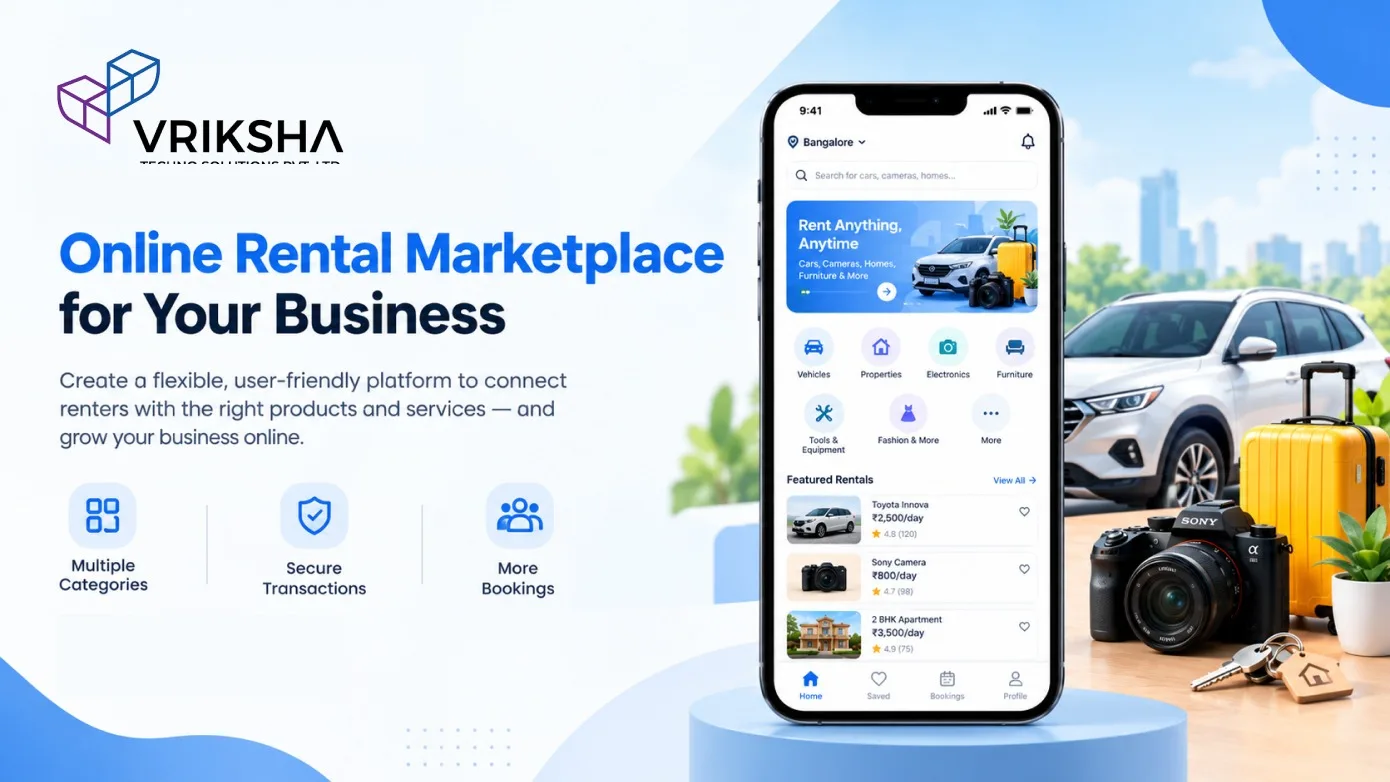
An online rental marketplace is a digital platform where customers can discover and rent products from sellers. Unlike a conventional ecommerce website focused primarily on product sales, a rental marketplace must also account for rental dates, duration-based prices, inventory availability, and the return of rented items.
A multi-vendor rental marketplace can allow different sellers to list products, manage inventory, and fulfill orders through shipping or pickup options. The platform administrator oversees users, transactions, commissions, settings, and other marketplace operations.
Some platforms can also support direct product sales alongside rentals, giving businesses additional flexibility in how they serve customers.
Key Features of an Online Rental Marketplace
Rental Product Search and Discovery
Customers need a convenient way to discover products that match their requirements and rental schedules. Search and listing features help them explore available products, compare options, and identify suitable pickup or delivery arrangements.
Important capabilities can include:
- Location-based product search
- Date-based rental search
- Product map views with filters
- Map views for nearby pickup shops
- Search based on shipping and pickup fulfillment options
- Visibility of unavailable rental dates
Location-aware discovery can make it easier for customers to explore rental options in relevant areas, while date-based search helps them identify products that fit their intended rental period.
Rental Availability and Inventory Management
Availability is a critical part of a rental marketplace. A product may be listed online but unavailable for a particular period because it has already been rented or requires maintenance.
A rental platform can include controls for marking inventory unavailable when products are rented outside the system or temporarily taken out of circulation for maintenance.
Useful features include:
- Rental date availability management
- Unavailable-date controls
- Maintenance-day scheduling
- Inventory management
- Product and variant management
These capabilities help sellers maintain more accurate availability information and reduce the risk of accepting rental requests for unavailable inventory.
Flexible Rental Pricing
Rental pricing often depends on how long a customer needs a product. A platform can support tiered rental prices based on daily, weekly, or monthly durations.
Additional pricing features can help sellers or marketplace operators adapt prices and promotions to different business requirements.
- Duration-based pricing: Set rental prices for daily, weekly, and monthly periods.
- Duration discounts: Offer discounts based on the length of the rental.
- Demand-based price adjustments: Support price surges based on demand.
- Rental add-ons: Offer additional or complementary products with a rental.
Clearly displaying rental periods, prices, and applicable conditions helps customers understand the cost before proceeding with a booking.
Rental Order Management
Rental orders require workflows that differ from ordinary product purchases. The platform needs to support the rental period, applicable cancellation conditions, inspections, and the return of rented items.
Rental order management features can include:
- Cancellation charges based on rental conditions
- Product inspection before the rental begins
- Return management after the rental period
- Late charges for overdue rentals
- Upcoming and overdue rental views
These controls help businesses organize rental operations and manage situations where products are returned late or require inspection.
Checkout and Rental Agreements
The checkout process is an important point for communicating rental requirements. Depending on the marketplace workflow, customers may need to provide additional documents or agree to specific rental terms and conditions.
Useful checkout capabilities include:
- Requesting additional documents from buyers
- Electronic signing of rental terms and conditions
- Checking product availability at selected pickup locations
Clear checkout requirements can help customers understand what is needed before completing a rental transaction.
Shipping and Pickup Options
Customers may prefer delivery or collection depending on the product and their location. A rental marketplace can support shipping and pickup fulfillment options, including location-based shipping settings.
Marketplace configuration can include location-based shipping at the order or individual-item level, along with packing slips. Pickup-location availability and map-based discovery can help customers identify suitable collection options.
Businesses should define their delivery areas, pickup processes, shipping rules, and responsibilities for each seller before launching the platform.
Request for Quote and Seller Negotiation
Some rental requirements need a customized quote instead of a standard listed price. A Request for Quote (RFQ) workflow can help buyers and sellers discuss requirements and agree on an offer.
RFQ functionality can support:
- Submitting a new quote request to a seller
- Sharing quotes and submitting revised quotes
- Accepting a seller's bid
- Generating an invoice after a bid is accepted
- Managing orders with a payment link for the buyer
This approach can be useful when rental requirements, quantities, durations, or other conditions need discussion before the transaction proceeds.
Supporting Product Sales Alongside Rentals
Some rental marketplaces also need ecommerce capabilities to sell products. Supporting both rental and sales workflows can give marketplace owners more ways to serve customers through the same platform.
Depending on the business requirements, ecommerce functionality can include:
- Brand management
- Product and variant management
- Inventory management
- Product sales
- Product comparison by category
- Custom product fields and category filters
- Size charts and product brochures
- Product reviews and seller feedback
- Special discounted prices and quantity-based discounts
- Discount coupons and purchase reward points
- Related-product recommendations and buy-together offers
These features can support a more complete marketplace experience for businesses that want to manage rental products and sellable inventory together.
Seller Management and Marketplace Monetization
In a multi-vendor marketplace, sellers need tools to manage their stores and products, while the marketplace owner needs controls for business operations and revenue.
Relevant marketplace capabilities can include:
- Seller account management
- Seller subscription management
- Commission management
- Advertiser management and pay-per-click advertising functionality
- Seller contact and messaging features for handling escalations
- Reports for rental and sales orders
The right monetization model depends on the business strategy. Subscription plans, commissions, and advertising features should be configured according to the marketplace's intended commercial structure.
Payment, Currency, and Transaction Management
A rental marketplace may serve customers and sellers across different locations. Payment-related features and configurable financial settings can help the business manage its transaction workflows.
Depending on the chosen integrations and implementation, the platform may support payment gateways, seller payouts, currency conversion, invoice management, and location-dependent taxes.
Before development, define how payments will be collected, when sellers can receive payouts, how commissions are calculated, and which taxes or fees apply to each transaction. The exact payment methods and rules depend on the selected integrations and business requirements.
Admin Dashboard and Platform Configuration
A centralized administration area helps marketplace operators manage users, sellers, inventory-related workflows, content, financial settings, and platform operations.
Important administrative capabilities can include:
- User management: Manage buyers, sellers, advertisers, and administrative users.
- Sub-user management: Configure supported sub-user access for administrators and seller shops.
- Commission management: Configure marketplace commissions.
- Shipping settings: Manage location-based order-level and item-level shipping.
- Tax configuration: Manage location-dependent taxes and single or combined tax structures.
- Invoice management: Manage invoices associated with supported workflows.
- Content management: Manage blogs and website content.
- Communication management: Manage email, SMS, and live chat capabilities.
- Data management: Support CSV import and export.
- Reporting: Access reports for rental and sales orders.
These controls help businesses manage marketplace operations from a central interface instead of relying on disconnected processes.
SEO, Analytics, and Marketing Features
Discoverability is important for rental marketplaces that want customers to find their products through search engines and other digital channels. Technical SEO settings and analytics integrations can help businesses manage their online presence and measure activity.
Relevant capabilities can include:
- Meta tag management
- URL rewriting
- Alternative text for images
- Robots file management
- Schema code support
- Google Analytics integration
- Search engine webmaster integrations
- Google Tag Manager integration
- Advertiser and promotional features
These tools provide a foundation for managing search-related settings, tracking website activity, and supporting marketing campaigns. Actual search performance depends on implementation quality, content, competition, and ongoing optimization.
How to Plan an Online Rental Marketplace
Identify the Products and Target Market
Decide which product categories the marketplace will serve and which locations it will cover. The needs of an equipment rental business may differ from those of a marketplace focused on consumer products or specialist inventory.
Define the Rental Rules
Establish rental durations, availability rules, pricing tiers, maintenance periods, cancellation conditions, late charges, and return procedures. These rules should be reflected in the customer and seller workflows.
Design the Customer and Seller Journeys
Map the complete experience from product discovery to date selection, checkout, fulfillment, rental completion, and return. Also define how sellers manage listings, inventory, orders, and quote requests.
Plan Payments and Commercial Settings
Document the marketplace commission structure, payment collection process, seller payout rules, tax requirements, and any seller subscription or advertising model.
Prioritize the Launch Features
Separate essential launch requirements from features that can be introduced later. A clear development roadmap can help businesses focus on the core rental journey before expanding into additional ecommerce, marketing, and reporting capabilities.
Benefits of an Online Rental Marketplace
- Convenient product discovery: Customers can search by location, rental dates, and available filters.
- More flexible pricing: Duration-based pricing and discounts can support different rental needs.
- Better inventory visibility: Availability and maintenance controls help sellers manage rental schedules.
- Structured rental operations: Inspection, return, and overdue rental workflows help organize rental orders.
- Multiple fulfillment options: Shipping and pickup functionality can serve different customer preferences.
- Flexible transactions: Quote requests and revised offers can support rentals that need customized agreements.
- Multiple revenue opportunities: Seller subscriptions, commissions, and advertising features can support different business models.
- Centralized administration: User management, reporting, financial settings, and content controls help organize operations.
Conclusion
Building an online rental marketplace involves more than displaying products and accepting orders. The platform must account for rental dates, inventory availability, duration-based pricing, fulfillment, returns, seller operations, and transaction management.
By planning these workflows carefully, businesses can create a digital rental platform that aligns with their product categories, target customers, and operational requirements. Ecommerce, quote requests, marketing integrations, and administrative tools can then be incorporated according to the business model.
At Vriksha Tech, we help businesses plan and develop digital solutions around their operational needs. If you are exploring an online rental marketplace, start by identifying your core rental workflows, seller requirements, and launch priorities.
Frequently Asked Questions
What is an online rental marketplace?
An online rental marketplace is a digital platform where customers can discover and rent products from sellers. It can include rental date selection, availability management, pricing, checkout, fulfillment, and order tracking.
What features are important for rental marketplace development?
Important features include location-based search, rental date availability, duration-based pricing, inventory management, shipping and pickup options, rental order management, checkout, seller tools, and administrative controls.
Can a rental marketplace support daily, weekly, and monthly pricing?
Yes. Duration-based pricing can support daily, weekly, and monthly rental periods. The platform may also support discounts based on rental duration.
How can a rental marketplace manage unavailable products?
Availability controls can mark inventory unavailable when it is rented outside the platform or scheduled for maintenance. These settings help sellers manage product availability for future rental dates.
Can customers choose between shipping and pickup?
A rental marketplace can support shipping and pickup fulfillment options. Location-based shipping settings and pickup-location availability can be configured according to the business's operational requirements.
What happens when a rental product is returned late?
The platform can include overdue rental views and late-charge functionality. The applicable charges and return policies should be defined by the marketplace business.
What is a Request for Quote feature in a rental marketplace?
A Request for Quote feature allows buyers to contact sellers with rental requirements, receive quotes, request revised offers, and proceed through supported acceptance, invoicing, and payment workflows.
Can an online rental marketplace also sell products?
Yes. Ecommerce capabilities can support product sales alongside rentals, including product and variant management, inventory, discounts, reviews, product comparisons, and related-product recommendations.
How can a rental marketplace generate revenue?
Depending on its business model, a marketplace may use commissions, seller subscriptions, or advertising features. The revenue structure should be planned around the platform's target market and operating costs.
What should businesses consider before developing a rental marketplace?
Businesses should define their product categories, target locations, rental periods, availability rules, pricing, return procedures, fulfillment options, payment workflows, seller requirements, and administrative responsibilities.
Ready to Build Your Next Digital Product?
Our experts will respond within 24 hours with a tailored approach for your project.