Short answer: OTT platforms earn through subscriptions (SVOD), advertising (AVOD), pay-per-view (TVOD) or a hybrid. New and niche platforms usually do best with a focused subscription or pay-per-view offer, adding ads only once the audience is large.
OTT platforms make money in four main ways: subscriptions (SVOD), advertising (AVOD), pay-per-view or rentals (TVOD), and hybrid models that combine them. Large platforms can afford free, ad-funded tiers because they have huge audiences. A new or niche platform usually earns more from a focused subscription or pay-per-view offer aimed at a loyal audience. The model you choose shapes your pricing, your apps and your payment setup, so it is worth deciding before development starts.
Why Streaming Keeps Growing
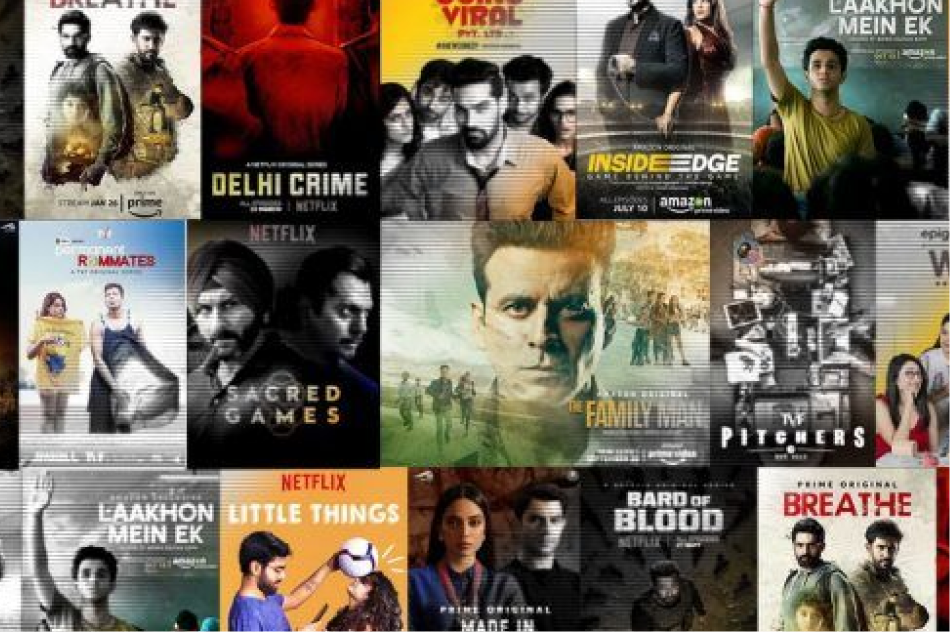
Cheap mobile data, affordable smartphones and smart TVs, and UPI payments have made paid streaming normal for Indian viewers. Two trends matter most if you are planning a platform of your own:
- Regional content travels. Tamil, Telugu, Malayalam, Kannada, Marathi and Bengali films and series now find audiences well beyond their home states, helped by subtitles and dubbing.
- Niche audiences pay. Viewers already juggle several subscriptions, and will add one more if it serves something the big platforms do not, such as a devotional channel, a coaching library, a regional film catalogue or a sports league.
That is the opening for smaller platforms: you do not need the biggest library, you need the best one for a specific audience.
The Four OTT Business Models
| Model | How it earns | Works best for |
|---|---|---|
| SVOD (subscription) | Monthly or yearly plans for the whole library | Steady release of new content, loyal niche audiences, courses |
| AVOD (advertising) | Free viewing, paid by video ads | Very large audiences, short-form and news content |
| TVOD (pay-per-view or rental) | Per film, event or episode, usually for a limited time | New film releases, live concerts, sports events, premium workshops |
| Hybrid | Free ad-supported tier plus subscription, or subscription plus paid premieres | Platforms with both a broad free catalogue and premium titles |
Each model has a main risk to plan for:
- SVOD: viewers cancel when new content slows down.
- AVOD: ad income stays small until view numbers are very large.
- TVOD: income spikes around releases instead of recurring every month.
- Hybrid: apps, pricing and reporting become more complex.
Choosing a Model for a New Platform
Start with the audience you already have
If you already have members, students or fans, a subscription is usually the simplest and most predictable start. If your content is event-based, such as a film release or a live programme, pay-per-view lets people buy once without committing to a plan.
Be realistic about advertising
Advertising income depends on scale. A platform with a few thousand viewers rarely earns enough from ads to cover streaming costs, so AVOD is better treated as a later addition, or as a free tier that feeds paying subscribers.
Plan the payment flow for each channel
On your website you can take UPI AutoPay, cards and net banking through a gateway such as Razorpay; see our guide to Razorpay integration. Inside the Apple and Google app stores, digital subscriptions follow store billing rules and commissions, which is why many platforms steer sign-ups to the website.
Price for churn, not just for sign-ups
Yearly plans at a discount, a regular release calendar and reminders before renewal do more for revenue than a low first-month price. Track why people cancel from the first week.
What Each Model Needs From the Technology
- SVOD: plans, trials, coupons, auto-renewal, failed-payment retries and access rules per plan.
- AVOD: ad insertion in the player, ad-server integration and viewing reports advertisers trust.
- TVOD: per-title pricing, rental windows that expire, and protection against shared links. DRM matters most here.
- Hybrid: all of the above, plus clear labels so viewers always know what is free and what is paid.
- Regional catalogues: multiple audio tracks, subtitles and search that understands language preference.
A ready platform such as Vrix OTT already supports free content, subscriptions and access for selected viewers, which covers SVOD, free and members-only models from launch. Ad-supported and pay-per-view features can be added as a custom extension.
From Business Model to Launch
Once the model is clear, the next steps are choosing your devices and your build route. Our guides on how to launch your own OTT platform and which OTT apps to build first cover both. For a real example, see how we built the One Time OTT platform with content approval, permissions and streaming in one system.
Not sure which model fits your content? Our OTT platform development team will review your library, audience and pricing ideas and recommend a model and launch plan. Book a free OTT strategy call.
Frequently Asked Questions
Which OTT business model is best for a new platform?
For most new or niche platforms, a subscription (SVOD) or pay-per-view (TVOD) model works best because it earns from a smaller, loyal audience. Advertising needs very large view numbers before it pays.
What is the difference between SVOD, AVOD and TVOD?
SVOD charges a recurring subscription for the library, AVOD is free to watch and funded by ads, and TVOD charges per title or event, often as a time-limited rental.
Can an OTT platform combine subscriptions and pay-per-view?
Yes. Hybrid platforms often include a subscription library plus paid premieres or live events, or a free ad-supported tier that leads viewers to a paid plan.
How do OTT platforms collect payments in India?
On the website, through a payment gateway such as Razorpay with UPI AutoPay, cards and net banking. Purchases inside iOS and Android apps follow Apple and Google billing rules.
Ready to Build Your Next Digital Product?
Our experts will respond within 24 hours with a tailored approach for your project.