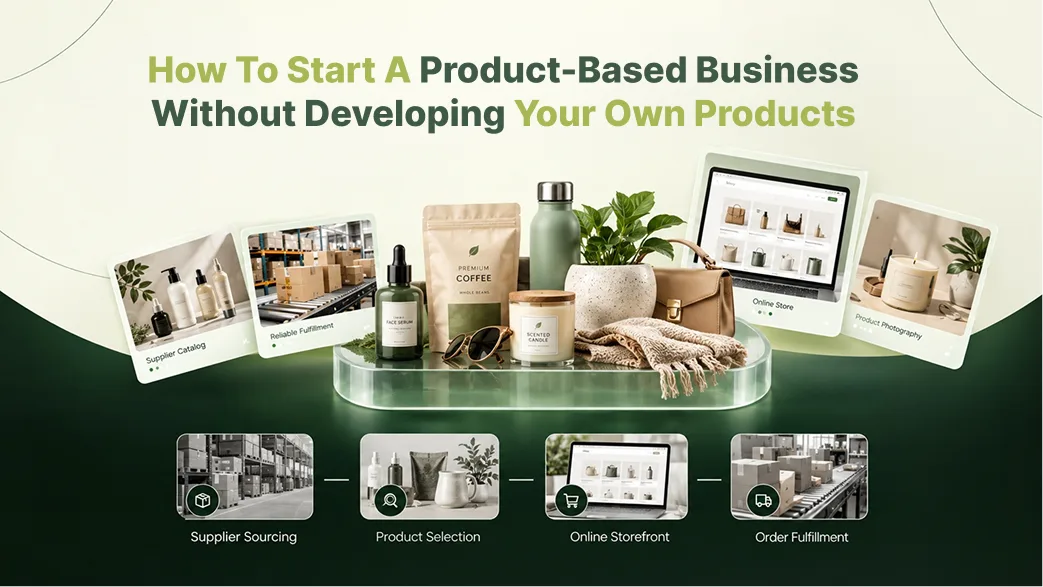
How to Start a Product-Based Business Without Creating Your Own Products
Short answer: You can start a product-based business without developing products by sourcing from manufacturers or suppliers, reselling existing brands, dropshipping or using third-party fulfilment. Your focus moves to choosing a niche, building an online store, marketing well and giving customers a good buying experience.
Starting a product-based business does not always mean developing, manufacturing, or owning the products you sell. Today, entrepreneurs can build successful online businesses by sourcing products from manufacturers, partnering with suppliers, reselling existing products, or working with third-party fulfilment providers.
This approach allows business owners to focus on important activities such as identifying customer needs, building a brand, marketing products, managing orders, and developing customer relationships without investing in their own manufacturing facilities.
From dropshipping and wholesale reselling to private labelling and online marketplaces, there are several ways to enter the product-selling industry. The right model depends on your budget, target audience, product category, operational capabilities, and long-term business goals.
In this guide, we explore how to start a product-based business without developing your own products, the available business models, how to find suppliers, and how technology can help build and manage your online business.
1. Understand the Product-Based Business Model
A product-based business sells physical products to customers. However, the business owner does not necessarily need to manufacture those products.
Instead, products can be sourced from existing manufacturers, wholesalers, distributors, or independent suppliers. The business focuses on making those products available to customers through an online store, marketplace, social commerce channel, or physical retail operation.
For example:
- An entrepreneur sells clothing sourced from wholesale garment manufacturers.
- An online store offers electronic accessories purchased from distributors.
- A business sells skincare products manufactured by a third party under its own brand, subject to applicable product and labelling requirements.
- A retailer sells home décor products from multiple independent suppliers.
- An online seller uses a dropshipping supplier to fulfil customer orders directly.
In these examples, the business creates value through product selection, branding, customer experience, pricing, distribution, and marketing rather than manufacturing.
2. Choose the Right Business Model
Before starting, decide how you will source, own, store, and deliver the products. Different business models offer different levels of investment, operational responsibility, and control.
Dropshipping
Dropshipping allows a business to sell products without maintaining its own inventory. When a customer places an order, the seller forwards the order details to a supplier, who handles product packing and shipping directly to the customer.
How it works:
- Select products from a dropshipping supplier.
- Publish those products on your online store.
- Customers place orders and complete payment.
- Forward the order to the supplier.
- The supplier packs and ships the product.
- Manage customer communication and after-sales support.
Advantages:
- Lower initial inventory investment.
- No need to operate a personal warehouse.
- Ability to test different product categories.
- Less direct involvement in packing and shipping.
Challenges: Supplier dependency, limited control over product quality, shipping delays, stock availability issues, and lower margins in competitive categories.
Wholesale Reselling
In wholesale reselling, a business purchases products in bulk from manufacturers, distributors, or wholesalers and sells them individually to customers.
The seller owns the purchased inventory and is responsible for storing, managing, packing, and delivering orders unless these activities are outsourced.
Advantages:
- Greater control over available inventory.
- Potentially better purchase prices for larger quantities.
- More control over product inspection and packaging.
- Ability to manage delivery and customer experience more directly.
Challenges: Initial inventory investment, storage costs, unsold stock, and inventory management responsibilities.
Private Labelling
Private labelling allows a business to source products from a third-party manufacturer and sell them under its own brand, where the manufacturing and branding arrangement permits it.
For example, an entrepreneur may work with an established manufacturer to produce skincare, food, accessories, or household products according to agreed specifications and branding requirements.
Advantages:
- Opportunity to establish a distinct brand identity.
- More control over packaging and product presentation.
- Potential to build long-term customer loyalty.
- Product differentiation through agreed specifications and branding.
Challenges: Minimum order quantities, quality assurance, product testing, regulatory responsibilities, packaging costs, and supplier agreements.
Print-on-Demand
Print-on-demand businesses sell products such as T-shirts, mugs, posters, and accessories that are produced after an order is received.
The business owner creates or licenses the designs, lists the products online, and works with a production partner that prints, packs, and ships the orders.
Advantages:
- No need to purchase large quantities of finished inventory.
- Opportunity to test different designs.
- Reduced storage requirements.
- Suitable for niche brands and personalised merchandise.
Challenges: Production costs, fulfilment timelines, print quality, and dependence on the production partner.
Third-Party Fulfilment
In this model, a business purchases or sources products but outsources storage, packing, and shipping to a third-party logistics provider.
The business maintains responsibility for product selection, pricing, sales, and customer relationships, while the fulfilment partner handles agreed warehouse and delivery operations.
This model can be useful when order volumes increase and managing logistics independently becomes difficult.
3. Identify a Profitable Product Niche
Choosing the right product category is one of the most important decisions when starting a product-based business.
Instead of selling a wide range of unrelated products from the beginning, consider focusing on a specific category or customer group. A clear niche makes it easier to understand customer requirements and create targeted marketing campaigns.
Potential product categories include:
- Fashion and accessories: Clothing, footwear, handbags, and lifestyle accessories.
- Home and living: Furniture, kitchen accessories, lighting, and home décor.
- Beauty and personal care: Skincare, haircare, grooming, and beauty accessories.
- Electronics accessories: Phone cases, chargers, computer accessories, and peripherals.
- Fitness and sports: Exercise accessories, sports equipment, and fitness products.
- Pet supplies: Pet accessories, toys, grooming products, and care essentials.
- Hobby and lifestyle products: Craft supplies, stationery, collectibles, and specialised accessories.
Evaluate each category based on customer demand, competition, supplier availability, purchase cost, shipping requirements, product quality, and applicable regulations.
4. Research Your Target Audience
Having products available does not guarantee sales. You need to understand who is likely to purchase them and why they would choose your business.
Research the following areas:
- Customer demographics: Understand the age groups, locations, and customer segments relevant to your products.
- Buying behaviour: Identify how customers discover, compare, and purchase similar products.
- Customer problems: Understand the needs your product selection is expected to address.
- Price expectations: Study what customers are willing to pay and how prices compare across competitors.
- Shopping preferences: Identify whether customers prefer websites, mobile apps, marketplaces, or social commerce.
- Competitor analysis: Review product ranges, customer reviews, pricing, delivery options, and service quality.
This research helps you choose suitable products and develop a selling strategy based on actual customer expectations.
5. Find Reliable Manufacturers and Suppliers
Your supplier network directly influences product quality, availability, pricing, and customer satisfaction. Choosing suppliers only because they offer the lowest price can create problems later.
Potential sourcing channels include:
- Manufacturers and authorised distributors.
- Wholesale suppliers and regional trade networks.
- Business-to-business sourcing platforms.
- Trade exhibitions and industry events.
- Direct partnerships with product brands.
- Specialised dropshipping and fulfilment suppliers.
Before finalising a supplier, evaluate:
- Product quality and sample availability.
- Wholesale pricing and minimum order quantities.
- Stock availability and restocking timelines.
- Packaging and shipping capabilities.
- Return, replacement, and damaged-product policies.
- Communication and order processing reliability.
- Business credentials and applicable product certifications.
- Branding, distribution, and resale permissions.
Start with product samples and small test orders where practical. Written supplier agreements can help clarify product specifications, payment terms, delivery responsibilities, and dispute resolution.
6. Calculate Your Product Costs and Profit Margins
A product's purchase price is only one part of the total business cost. You should calculate the complete cost of making a product available to a customer before setting its selling price.
Consider the following cost components:
- Supplier purchase price.
- Shipping and transportation charges.
- Packaging and fulfilment expenses.
- Marketplace or payment processing fees.
- Marketing and customer acquisition expenses.
- Storage and inventory costs, where applicable.
- Returns, replacements, and damaged-product allowances.
- Taxes and other applicable business expenses.
Example: Suppose a product is purchased from a supplier for ₹500. Shipping and packaging cost ₹80, and payment and selling expenses add another ₹70. The total cost before other overheads is ₹650.
If the product is sold for ₹900, the contribution before other overheads and applicable taxes is ₹250.
Understanding these costs helps prevent underpricing and makes it easier to compare sourcing models.
7. Build Your Online Store or Selling Platform
Once your product category, sourcing method, and business model are defined, choose the digital channel through which customers will purchase your products.
Depending on your business goals, you can start with an online store, sell through existing marketplaces, or develop a dedicated e-commerce platform.
Essential Customer-Facing Features
- Product catalogue: Display product categories, descriptions, images, specifications, and pricing.
- Search and filters: Help customers find products using relevant categories and attributes.
- Product details: Present available sizes, colours, variations, stock information, and delivery details.
- Shopping cart: Allow customers to review selected products before checkout.
- Secure checkout: Support address selection, order review, and payment.
- Payment integration: Provide suitable online payment options.
- Order tracking: Allow customers to check order status and delivery updates.
- Customer accounts: Manage addresses, orders, and account preferences.
- Reviews and ratings: Collect genuine customer feedback.
- Customer support: Provide access to help, returns, and order-related assistance.
Admin Management Features
The administration panel helps business owners manage the complete online selling operation.
- Product and category management.
- Supplier and purchase management.
- Inventory and stock monitoring.
- Order and delivery management.
- Customer account management.
- Payment and transaction tracking.
- Discounts and promotional campaigns.
- Returns and refund management.
- Sales reports and business analytics.
- Website content and banner management.
8. Consider Building a Multi-Vendor Marketplace
If your long-term goal is to sell products from multiple suppliers or allow independent sellers to join your business, a multi-vendor marketplace may be a suitable model.
Instead of sourcing and managing every product yourself, you can build a platform where approved vendors manage their own product listings and fulfil orders according to marketplace policies.
A multi-vendor marketplace may include:
- Vendor registration and verification.
- Individual seller dashboards.
- Product listing and inventory management.
- Centralised order management.
- Commission configuration.
- Vendor payment and settlement management.
- Customer reviews and ratings.
- Promotional campaigns and featured products.
- Admin approval and quality control.
This model creates an opportunity to expand product variety without purchasing every item directly. However, marketplace owners still need to manage vendor quality, customer support, payment processes, and platform policies.
9. Create a Strong Brand Identity
Even when you do not manufacture products, you can build a recognisable business brand through product selection, customer experience, communication, and service quality.
Focus on:
- Brand positioning: Define what your business offers and which customers it serves.
- Brand name and identity: Choose a suitable name, logo, and visual style.
- Product presentation: Use accurate descriptions and high-quality product images.
- Consistent communication: Maintain a professional tone across your website, social media, and customer support.
- Packaging experience: Where your fulfilment model permits, create a consistent and recognisable packaging experience.
- Customer service: Build trust through clear policies and reliable support.
Do not make unsupported claims about product origin, ownership, quality, certifications, or manufacturing. Product descriptions and branding should accurately reflect the supplier arrangement.
10. Develop a Marketing Strategy to Attract Customers
A product business needs a consistent approach to attracting potential buyers. A well-designed online store alone will not generate sales without visibility and customer engagement.
Consider the following marketing strategies:
Search Engine Optimisation (SEO)
Optimise product pages, category pages, and informational content around relevant search terms. Use descriptive titles, useful product information, structured page content, and technically sound website practices.
Social Media Marketing
Use platforms such as Instagram, Facebook, and other relevant channels to introduce products, demonstrate their uses, share customer experiences, and communicate promotions.
Paid Advertising
Run targeted advertising campaigns to reach potential customers based on relevant interests, locations, and shopping intent. Monitor campaign costs and actual sales rather than focusing only on clicks.
Email and Customer Retention Marketing
Use customer-approved communication to share product launches, relevant offers, order updates, and useful content. Encourage repeat purchases through a good customer experience.
Influencer and Creator Partnerships
Collaborate with relevant creators who can demonstrate products to an audience interested in your category. Choose partnerships based on audience relevance and credibility.
Referral Programmes
Encourage satisfied customers to recommend your business through clearly defined referral benefits and promotional offers.
11. Manage Orders, Delivery, and Customer Support
After customers start placing orders, reliable operations become essential. Poor fulfilment and communication can affect customer trust even when the products are good.
Establish clear processes for:
- Order confirmation and processing.
- Supplier order coordination.
- Stock availability and inventory updates.
- Packaging and dispatch.
- Delivery tracking and customer notifications.
- Order cancellations and returns.
- Refunds and replacements.
- Customer complaints and after-sales support.
Responsibilities will differ depending on whether you use dropshipping, wholesale inventory, private labelling, or third-party fulfilment. Make sure customers know who is responsible for delivery, returns, and support.
12. Common Challenges and How to Handle Them
Starting a product-based business without manufacturing your own products reduces certain barriers, but it does not remove the challenges of selling and managing physical goods.
- Supplier dependency: Work with reliable suppliers and maintain alternative sourcing options for important products.
- Quality inconsistencies: Inspect samples, define specifications, and establish quality-control procedures.
- High competition: Differentiate through product selection, service, branding, and customer experience.
- Low profit margins: Calculate all business costs and negotiate suitable sourcing and fulfilment terms.
- Inventory problems: Use accurate stock tracking and coordinate availability with suppliers.
- Shipping delays: Set realistic delivery expectations and monitor fulfilment performance.
- Product returns: Create clear return and replacement policies and account for related costs.
- Brand trust: Provide accurate product information, transparent policies, and dependable customer support.
13. Understand the Legal and Business Requirements
Even if you do not manufacture products, you may still have responsibilities as a seller, distributor, importer, brand owner, or marketplace operator.
Requirements depend on the products, business structure, and countries in which you operate.
For a business operating in India, consider the following areas with appropriate professional advice:
- Business registration and applicable tax registrations.
- GST obligations and invoicing requirements, where applicable.
- Consumer protection and e-commerce requirements.
- Product-specific licences, standards, and labelling requirements.
- Importer obligations and customs requirements, if importing goods.
- Trademark and brand ownership considerations.
- Supplier agreements and product resale permissions.
- Privacy, payment, refund, and customer-data practices.
Some categories, including food, cosmetics, medicines, electronics, and other regulated goods, may have additional requirements. Confirm the applicable rules before listing or selling products. A business that resells products should not assume that the manufacturer's compliance automatically removes every responsibility of the seller.
Conclusion
Starting a product-based business does not require you to develop or manufacture your own products. By working with suppliers, wholesalers, manufacturers, or fulfilment partners, you can build an online selling business while concentrating on product selection, branding, marketing, and customer relationships.
The key is choosing a suitable business model, finding reliable suppliers, understanding your target market, calculating realistic margins, and creating a dependable buying experience.
As the business grows, you can expand your product range, establish your own brand, introduce additional sales channels, or develop a multi-vendor marketplace.
At Vriksha Tech, we help businesses build custom digital solutions, including e-commerce websites, mobile applications, and marketplace platforms. Explore Vriksha Tech to learn more about our software development capabilities.
Frequently Asked Questions
Can I start a product-based business without manufacturing products?
Yes. You can source products from manufacturers, wholesalers, distributors, or dropshipping suppliers and sell them through your own online store or other sales channels.
What is the best business model for selling products without owning a factory?
Dropshipping, wholesale reselling, private labelling, print-on-demand, and third-party fulfilment are common options. The right choice depends on your budget, product category, desired control, and operational capabilities.
Can I start an online product business with a small budget?
Some models, such as dropshipping and print-on-demand, can reduce initial inventory investment. However, you should still budget for platform costs, marketing, customer support, payment fees, and other business expenses.
How do I find suppliers for my online product business?
You can approach manufacturers, wholesalers, authorised distributors, trade networks, business-to-business sourcing platforms, and specialised fulfilment providers. Evaluate product quality, pricing, reliability, and business terms before partnering.
What is the difference between dropshipping and wholesale reselling?
In dropshipping, the supplier generally stores and ships products directly to customers after receiving an order. In wholesale reselling, the business purchases inventory in advance and manages or outsources storage and fulfilment.
Can I sell products under my own brand without manufacturing them?
Yes. Private labelling allows businesses to source products from third-party manufacturers and sell them under an agreed brand arrangement, subject to product specifications, supplier agreements, and applicable regulations.
Do I need an e-commerce website to start selling products?
A dedicated e-commerce website is not mandatory for every business. You can start through existing marketplaces or social commerce channels. A dedicated website provides greater control over branding, customer experience, and business workflows.
Can I build a marketplace where multiple suppliers sell products?
Yes. A multi-vendor marketplace allows approved suppliers to register, publish products, manage orders, and participate in a shared selling platform under defined marketplace policies.
How can I make a product-based business profitable?
Focus on suitable product selection, reliable suppliers, accurate cost calculations, competitive pricing, efficient fulfilment, customer retention, and marketing strategies that generate profitable sales.
Ready to Build Your Next Digital Product?
Our experts will respond within 24 hours with a tailored approach for your project.