Short answer: Blockchain is a business technology beyond cryptocurrency: it provides tamper-proof records, cryptographic security, automated smart contracts and a shared, verifiable transaction history. It addresses data manipulation, fraud, manual verification, lack of transparency and duplicate records.
How Blockchain Technology is Solving Real Business Problems Beyond Cryptocurrency
When people hear the word Blockchain, they often think only of cryptocurrency. However, blockchain has evolved into a powerful business technology that improves transparency, security, and operational efficiency across industries.
From supply chain tracking and digital identity management to smart contracts and secure record keeping, blockchain helps businesses eliminate fraud, automate processes, and build trust through decentralized systems.
The Real Business Problem
Many organizations still rely on traditional databases that are vulnerable to security risks, manual errors, and limited transparency.
| Business Challenge | Blockchain Solution |
|---|---|
| Data Manipulation | Tamper-proof digital records |
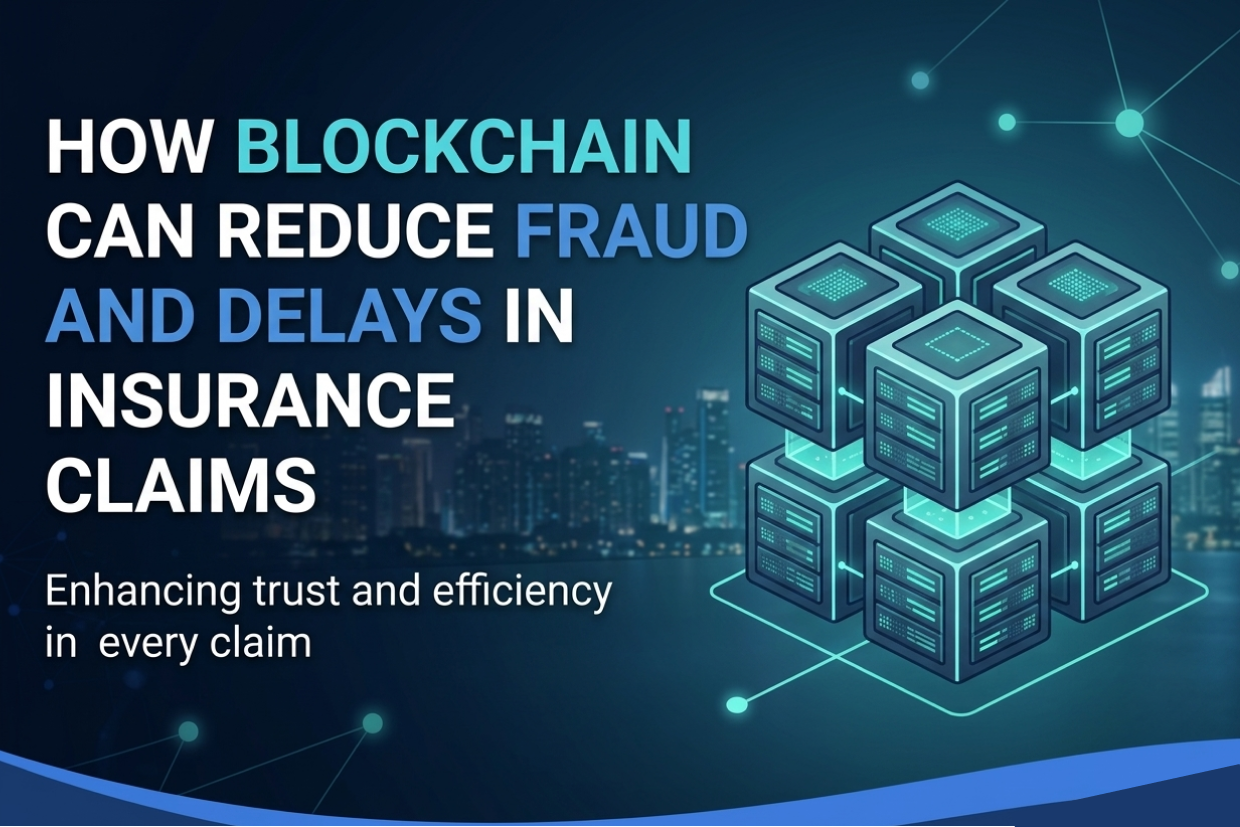
| Fraud & Security Risks | Cryptographic security and validation |
| Manual Verification | Automated smart contracts |
| Lack of Transparency | Shared and verifiable transaction history |
| Duplicate Records | Single decentralized source of truth |
Key Features of Blockchain Solutions
| Feature | Description |
|---|---|
| Tamper-Proof Records | Information cannot be modified without network validation. |
| Smart Contracts | Automate agreements and business workflows. |
| Real-Time Traceability | Track products, assets, and transactions instantly. |
| Decentralized Network | Eliminates single points of failure. |
| Enterprise Security | Protects sensitive business information using encryption. |
Blockchain Development Process
- Business Requirement Analysis
- Blockchain Architecture Design
- Smart Contract Development
- DApp Development & Integration
- Security Testing
- Deployment
- Monitoring & Maintenance
Technologies Used
| Blockchain | Development | Cloud & Database |
|---|---|---|
| Ethereum, Hyperledger, Polygon | Solidity, Web3.js, Node.js, React.js, Flutter | AWS, Azure, MongoDB, PostgreSQL |
Benefits of Blockchain Development
- Improved data security
- Greater business transparency
- Fraud prevention
- Automated workflows
- Faster document verification
- Lower operational costs
- Better supply chain visibility
- Improved customer trust
- Scalable enterprise solutions
Industries Using Blockchain
| Industry | Common Use Cases |
|---|---|
| Banking & Finance | Secure transactions and digital payments |
| Healthcare | Patient records and medical data security |
| Supply Chain | Product tracking and logistics |
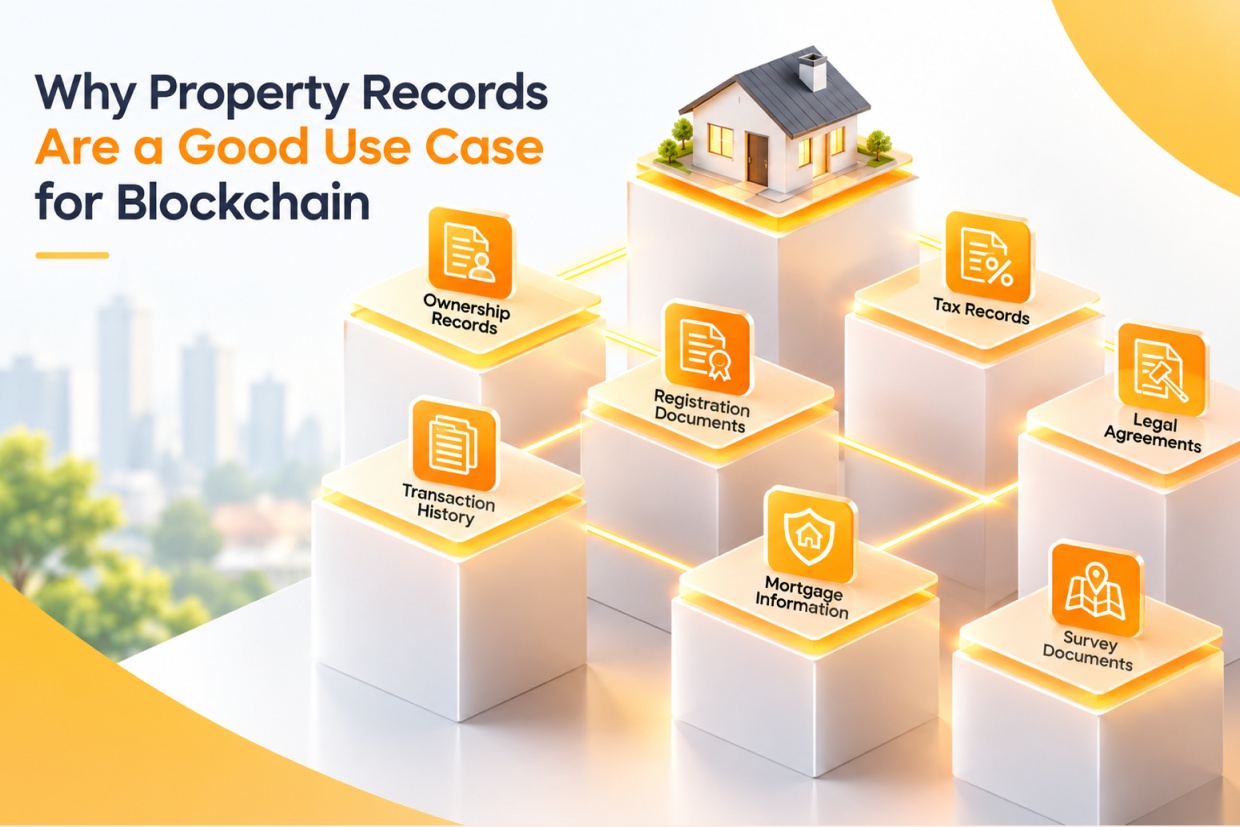
| Real Estate | Property ownership verification |
| Education | Certificate verification |
| Government | Identity management and public records |
Future of Blockchain Technology
Blockchain is expanding beyond cryptocurrency into enterprise applications powered by AI, IoT, cloud computing, and smart automation. Businesses adopting blockchain today are building secure, transparent, and future-ready digital ecosystems.
Where Blockchain Actually Beats a Traditional Database
A traditional database works fine as long as everyone trusts whoever controls it. The problem shows up when multiple independent parties — a manufacturer, a distributor, a retailer, an auditor — all need to trust the same record, but none of them wants to depend on the others' database being accurate or unaltered.
This is the actual business case for blockchain. It is not "a database, but newer" — it is a shared record that no single party controls, which matters specifically when the parties involved do not fully trust each other but still need to agree on the same facts. A single company tracking its own internal inventory rarely needs blockchain; a multi-party supply chain verifying product authenticity across companies that do not share a database often does.
Smart Contracts Automate Agreements, Not Judgment
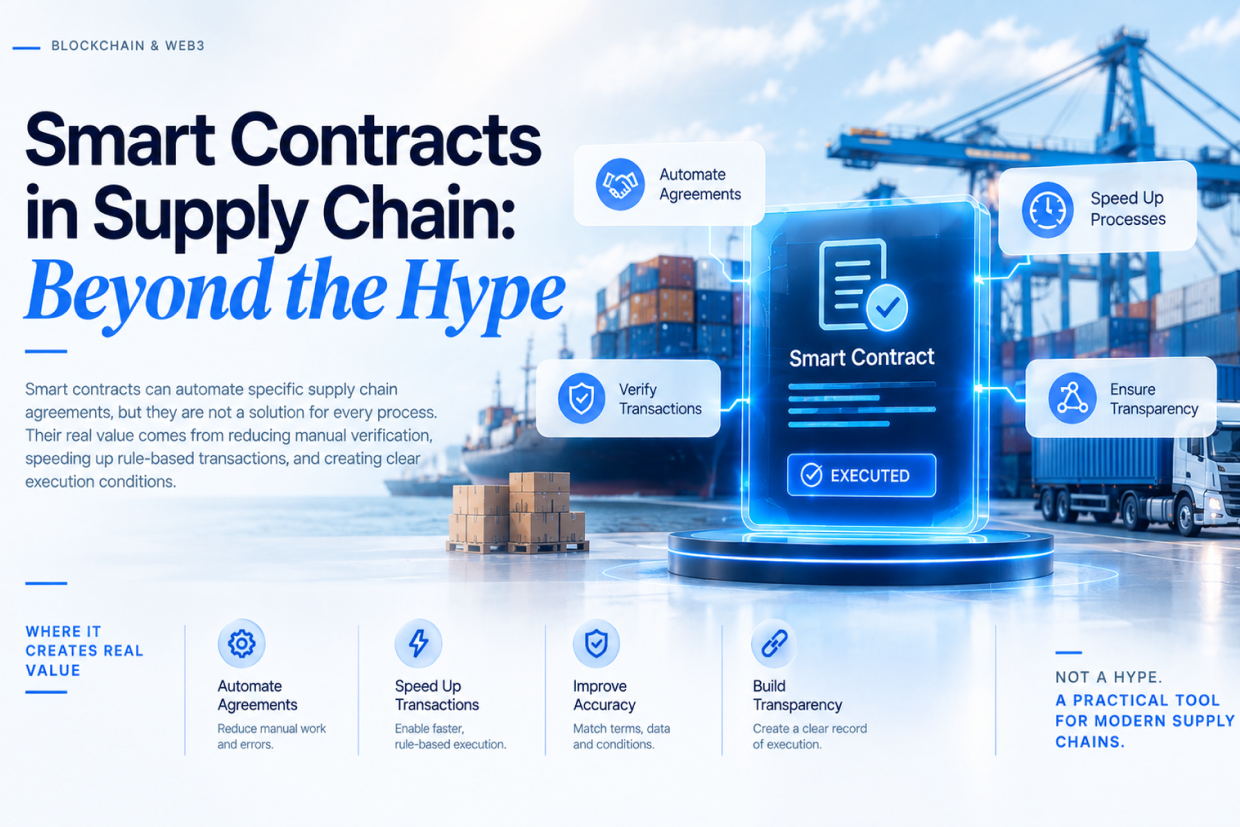
A smart contract executes a rule exactly as written the moment its conditions are met — payment released after delivery confirmed, for example. It is precise, but it is not judgment. It cannot decide whether a delivery was actually satisfactory, only whether a predefined condition was technically triggered. Blockchain projects succeed when they automate clearly defined, rule-based agreements, and struggle when they try to replace decisions that genuinely require human judgment.
Why Choose Vriksha Techno Solutions?
At Vriksha Techno Solutions, we build secure and scalable blockchain solutions tailored to solve real business challenges. From smart contracts to enterprise blockchain platforms, we help businesses embrace trusted digital transformation.
- Custom Blockchain Development
- Smart Contract Development
- DApp Development
- Private Blockchain Solutions
- Enterprise Integration
- Blockchain Consulting
- Maintenance & Support
Ready to build secure blockchain solutions? Talk to our team →
Frequently Asked Questions
What is blockchain technology?
Blockchain is a decentralized digital ledger that securely stores and verifies transactions across multiple systems.
Is blockchain only used for cryptocurrency?
No. Blockchain is widely used in finance, healthcare, logistics, real estate, digital identity, and enterprise applications.
What are smart contracts?
Smart contracts automatically execute predefined business rules without manual intervention.
Is blockchain secure?
Yes. Blockchain uses cryptographic encryption and decentralized validation to protect business data.
Can blockchain integrate with existing software?
Yes. Blockchain can integrate with ERP systems, CRM platforms, payment gateways, cloud services, and enterprise applications.
Ready to Build Your Next Digital Product?
Our experts will respond within 24 hours with a tailored approach for your project.