Short answer: Cyberattacks such as ransomware, phishing and data breaches affect businesses of all sizes and can interrupt operations, damage customer trust and cause financial loss. Cybersecurity protects digital assets through threat monitoring, data encryption, endpoint security and rapid threat detection.
What Happens When Your Business Gets Hacked? How Cybersecurity Prevents Costly Data Breaches
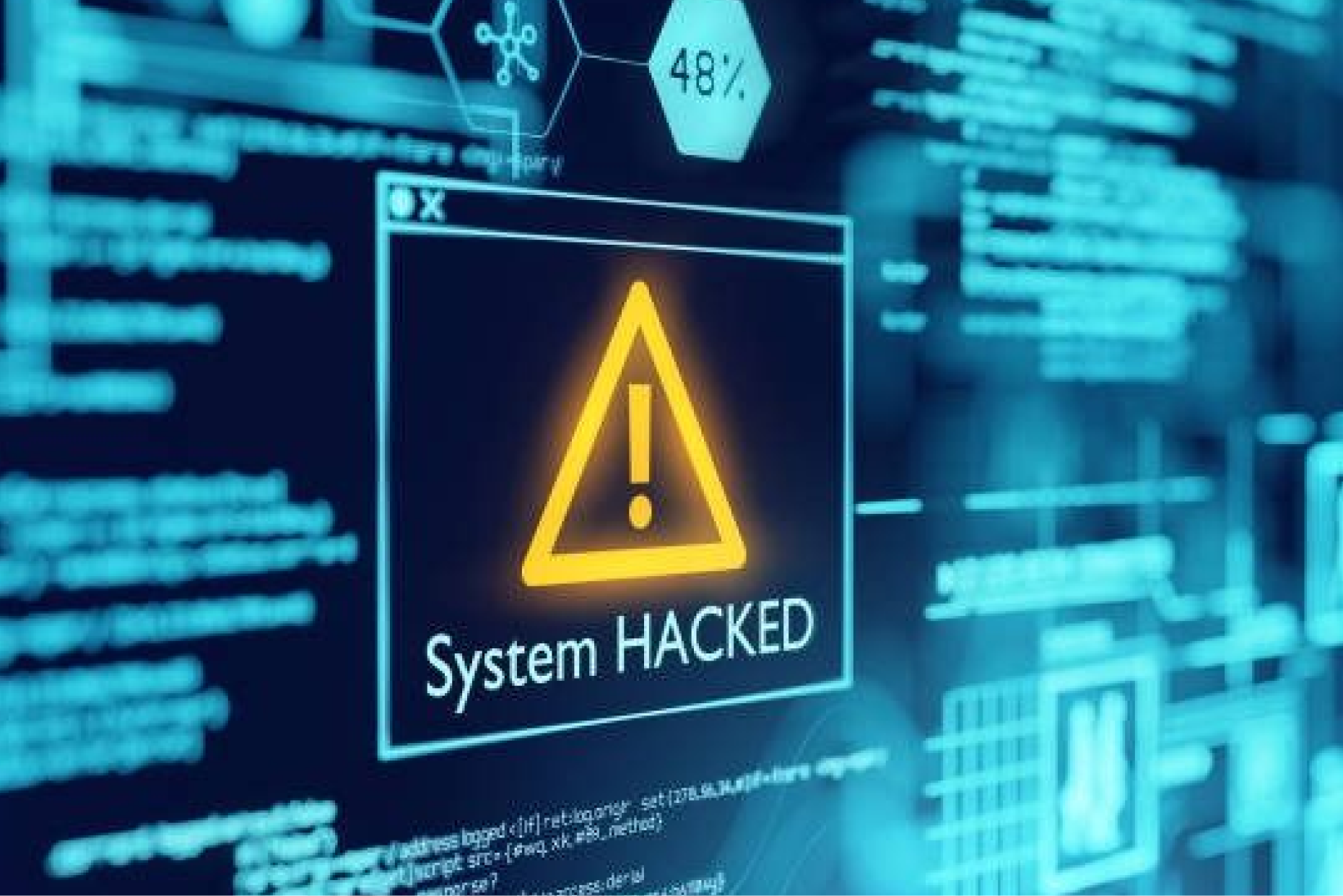
Cyberattacks are no longer limited to large enterprises. Businesses of all sizes face increasing threats such as ransomware, phishing, data breaches, and unauthorized access. A single security incident can interrupt operations, damage customer trust, and result in significant financial losses.
Cybersecurity helps businesses protect their digital assets, secure sensitive information, and maintain business continuity through proactive monitoring, advanced security measures, and rapid threat detection.
The Real Business Problem
Many organizations unknowingly leave security gaps that cybercriminals can exploit.
| Security Challenge | Business Impact |
|---|---|
| Weak Passwords | Unauthorized system access |
| Ransomware Attacks | Business downtime and data loss |
| Phishing Emails | Employee credential theft |
| Data Breaches | Loss of customer trust |
| Outdated Software | Security vulnerabilities |
Key Cybersecurity Features
| Feature | Description |
|---|---|
| Threat Monitoring | Detect suspicious activities in real time. |
| Data Encryption | Protect sensitive business and customer data. |
| Endpoint Security | Secure computers, servers, and mobile devices. |
| Network Protection | Firewalls and intrusion prevention systems. |
| Backup & Recovery | Restore systems quickly after cyber incidents. |
| Access Management | Role-based permissions and multi-factor authentication. |
Cybersecurity Implementation Process
- Security Assessment
- Risk Analysis
- Security Planning
- Implementation & Protection
- Monitoring & Threat Detection
- Testing & Vulnerability Assessment
- Maintenance & Continuous Updates
Technologies Used
| Security Tools | Cloud & Infrastructure | Monitoring |
|---|---|---|
| Firewalls, Antivirus, MFA, Encryption | AWS, Azure, Google Cloud | SIEM, IDS/IPS, Security Monitoring |
Benefits of Cybersecurity
- Protect sensitive business data
- Prevent financial losses
- Reduce system downtime
- Improve customer trust
- Strengthen cloud security
- Meet compliance requirements
- Protect intellectual property
- Improve business continuity
- Detect threats faster
Industries That Need Cybersecurity
| Industry | Common Security Focus |
|---|---|
| Banking & Finance | Fraud prevention and secure transactions |
| Healthcare | Patient data protection |
| E-commerce | Payment and customer security |
| Education | Student information security |
| Manufacturing | Operational technology protection |
| IT & SaaS | Cloud and application security |
Future of Cybersecurity
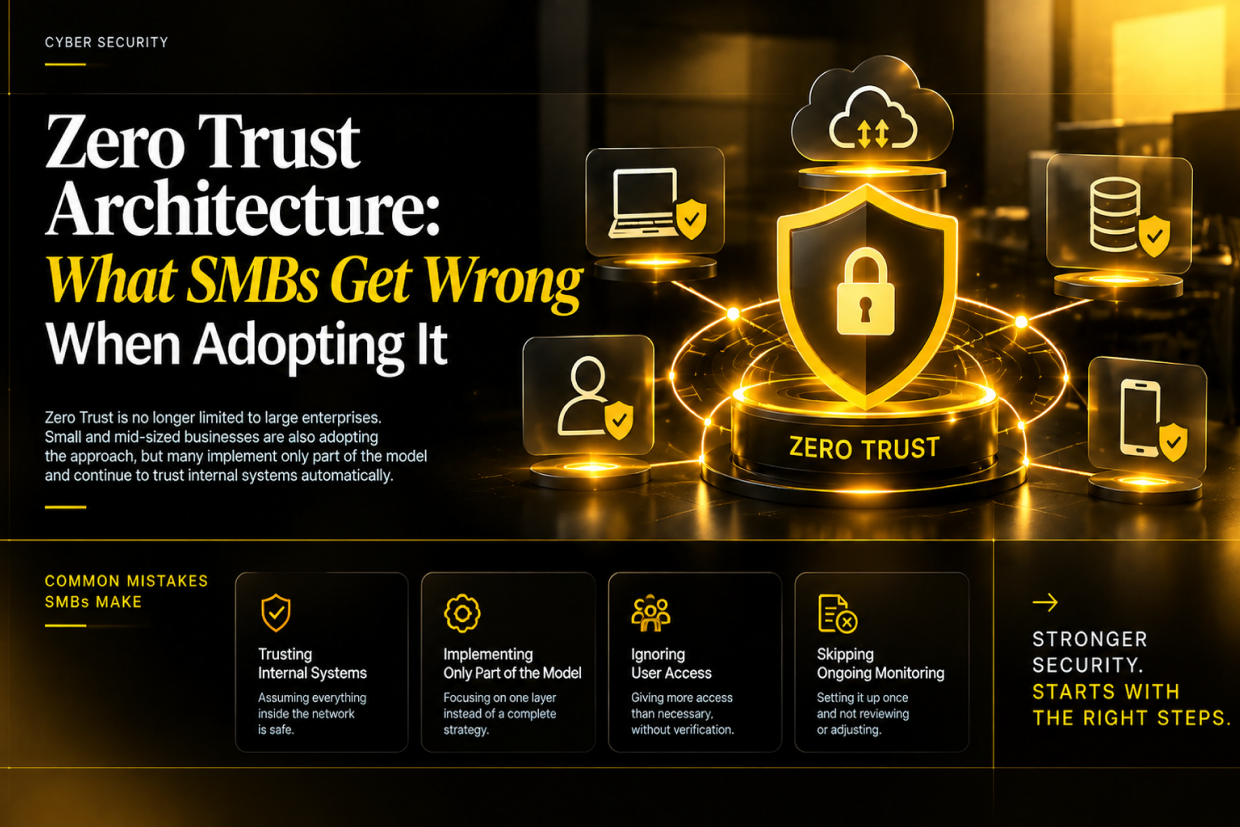
Modern cybersecurity is evolving with AI-powered threat detection, Zero Trust architecture, behavioral analytics, cloud security, and automated incident response. These technologies help businesses detect threats earlier and respond faster to minimize risks.
What a Breach Actually Costs Beyond the Ransom
The ransom payment, if a business even pays one, is often the smallest part of the cost. The larger costs come afterward: days of lost operations while systems are rebuilt from scratch, customers who quietly stop trusting the business with their data, and the time spent manually verifying whether other systems were also compromised. A breach that takes minutes to happen can take weeks to fully recover from operationally, and months to recover from in terms of customer trust.
Most incidents also do not begin with a sophisticated attack. They begin with one employee clicking one convincing email, or one server left running outdated software because nobody was assigned to update it. Cybersecurity spending is often justified by the size of a hypothetical worst-case attack, when the more common failure is something far more ordinary that basic practices would have prevented.
Why "We Have a Firewall" Is Not a Security Strategy
A firewall protects the network perimeter, but a real security posture needs monitoring for what happens after something gets past it — because eventually, something usually does. Detecting unusual activity quickly, having a tested backup that actually restores correctly, and having a clear response plan before an incident happens are what separate a contained problem from a business-ending one.
Why Choose Vriksha Techno Solutions?
At Vriksha Techno Solutions, we help businesses build secure digital environments through proactive cybersecurity solutions. Our experts protect applications, cloud infrastructure, business networks, and sensitive data while ensuring business continuity.
- Security Assessment
- Vulnerability Testing
- Network Security
- Cloud Security
- Application Security
- Data Protection
- Continuous Monitoring
- Maintenance & Support
Ready to protect your business? Talk to our team →
Frequently Asked Questions
Can small businesses become hacking targets?
Yes. Small businesses are often targeted because attackers assume they have fewer security measures.
What is ransomware?
Ransomware is malicious software that encrypts files and demands payment to restore access.
How often should cybersecurity assessments be performed?
Regular assessments should be conducted to identify vulnerabilities and improve security.
Can cybersecurity prevent every attack?
No system is completely immune, but strong cybersecurity significantly reduces risks and enables faster recovery.
Why are backups important?
Regular backups help businesses recover critical data quickly after cyber incidents and reduce downtime.
Ready to Build Your Next Digital Product?
Our experts will respond within 24 hours with a tailored approach for your project.