Why Your Business Needs a Mobile App Beyond Just Having a Website
Short answer: A website helps customers find your business, while a mobile app helps them stay connected. Apps can turn repeated tasks into simple actions, personalize the experience, send push notifications and improve internal operations, but should solve a specific customer problem.
Most businesses already have a website. Customers can visit it, explore products or services, submit enquiries, make purchases, and contact the business.
So, a common question is: If we already have a website, why do we need a mobile app?
The answer is simple: a website helps customers find you, while a mobile app can help customers stay connected with you.
A mobile app creates a direct channel between your business and its customers. Instead of asking users to open a browser, search for your website, log in, and find what they need every time, an app can put the most important actions directly on their phone.
For businesses that depend on repeat purchases, regular bookings, customer engagement, subscriptions, or frequent interactions, this difference can become significant.
The Problem With Relying Only on a Website
Imagine a customer who orders food from your business once.
They visit your website, place an order, and leave.
The next week, they may remember your business—or they may search Google again and choose another competitor.
Now imagine the same customer using your mobile app.
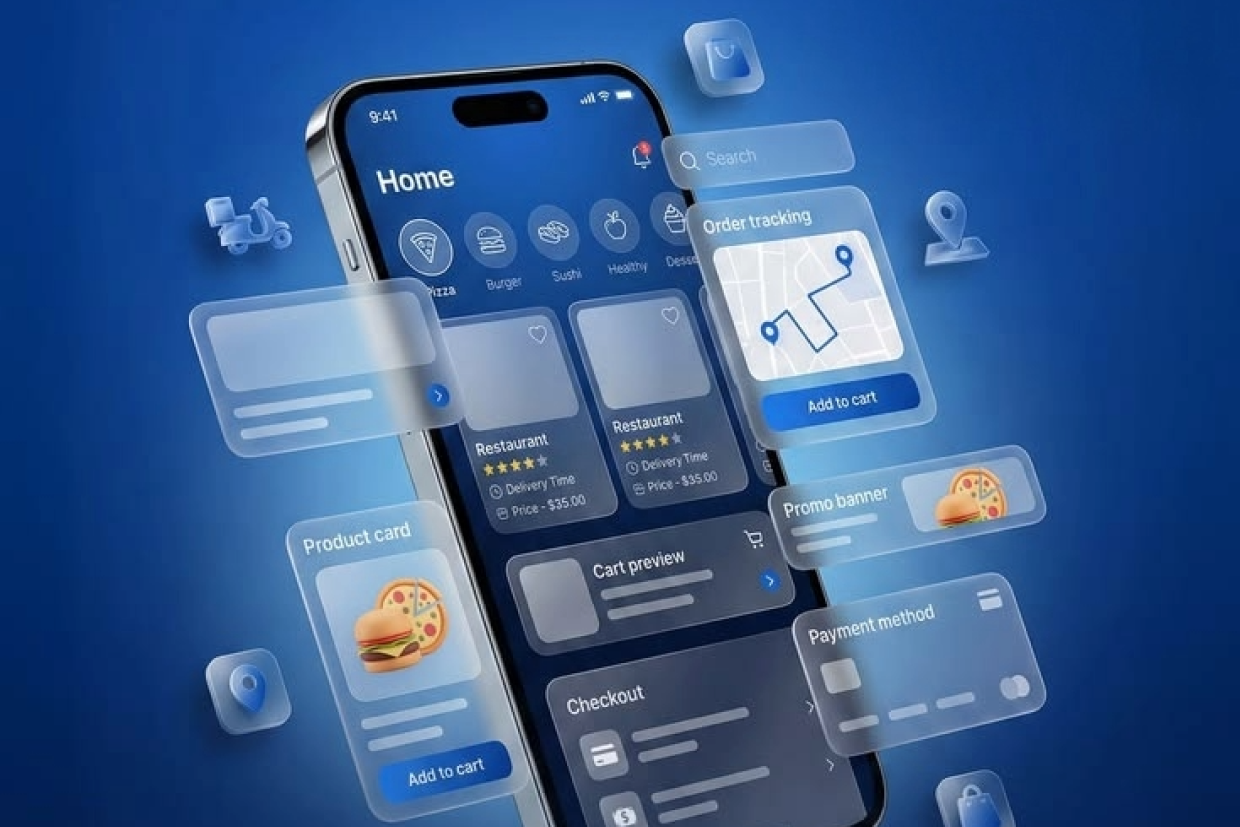
Your business can provide order history, saved preferences, loyalty benefits, personalized recommendations, delivery updates, and other useful features in one place.
The app becomes part of the customer's routine rather than just another website they occasionally visit.
| Website Experience | Mobile App Experience |
|---|---|
| Open browser and visit website | Open app directly |
| General experience | Personalized experience |
| Limited device integration | Notifications and device features |
| Users may leave after one visit | Designed for repeat engagement |
| Login may be repeated | Convenient saved sessions |
| Browser-dependent experience | Native mobile experience |
The goal is not to replace your website. It is to give customers another, more convenient way to interact with your business.
When Does a Business Actually Need a Mobile App?
Not every business needs an app.
A mobile application becomes more valuable when customers need to interact with the business repeatedly.
For example, an app can make sense for:
- E-commerce businesses with repeat customers
- Food and grocery delivery platforms
- Healthcare and appointment services
- Education and learning platforms
- Travel and booking businesses
- Financial and payment services
- Fitness and wellness platforms
- On-demand service businesses
- Subscription-based products
- Internal employee and business applications
The important question is not "Do we need an app?"
The better question is:
"Would a mobile experience make our customer's regular task faster or easier?"
Mobile Apps Can Turn Repeated Tasks Into Simple Actions
Consider a customer who books a service every month.
With a website, the customer may need to search for the website, navigate through several pages, log in, find the service, select a date, and confirm the booking.
A well-designed mobile app can reduce this journey to a few taps.
Open App → Select Service → Choose Date → Confirm Booking
This is where mobile app development solves a real business problem: reducing friction in repeated customer journeys.
The fewer unnecessary steps customers need to complete, the easier it becomes for them to return.
Personalization Makes the Experience More Relevant
A website generally presents similar content to many visitors.
A mobile app can create a more personalized experience based on customer activity and preferences.
For example, an e-commerce app could show:
Previous Orders → Recommended Products → Personalized Offers → Faster Checkout
A travel app could show:
Recent Searches → Saved Destinations → Upcoming Trips → Travel Alerts
A food delivery app could show:
Previous Orders → Favorite Restaurants → Personalized Recommendations → Quick Reorder
Personalization becomes useful when it helps users accomplish something faster rather than simply adding more content to the screen.
Push Notifications Can Create a Direct Communication Channel
Email campaigns can get lost in crowded inboxes. Website visitors also need to actively return to the site.
Mobile apps provide another communication channel through push notifications.
Businesses can use notifications for meaningful events such as:
- Order status updates
- Appointment reminders
- Payment confirmations
- Booking changes
- Delivery tracking
- Subscription renewals
- Important account updates
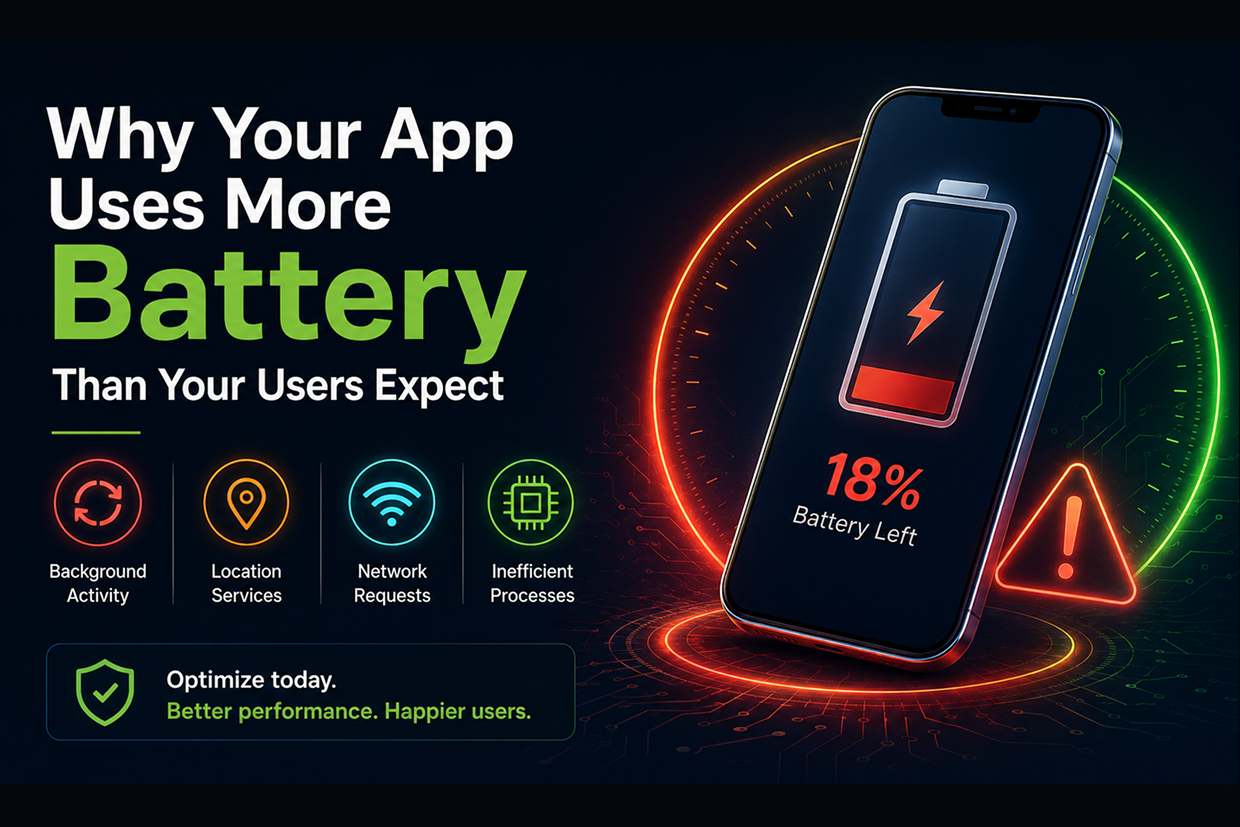
However, notifications should provide genuine value. Excessive or irrelevant notifications can frustrate users and contribute to churn. Recent retention research continues to identify notification fatigue, poor onboarding, performance issues, and unclear value as common reasons users leave apps.
The First Few Minutes Can Decide Whether Users Stay
Building an app is not enough.
The experience users have immediately after installation matters.
If an app forces users through unnecessary registration screens, requests permissions before explaining why they are needed, loads slowly, or makes the main action difficult to find, users may leave before experiencing the actual value.
A better approach is:
Install → Understand → Experience Value → Complete First Action → Return
Modern mobile onboarding is increasingly focused on getting users to their first meaningful action quickly instead of presenting a long feature tutorial.
A Mobile App Should Solve a Specific Customer Problem
One of the biggest mistakes businesses make is building an app simply because competitors have one.
An app should have a clear purpose.
It should answer one important question:
"What problem does this app make easier for the customer?"
| Business Problem | Possible Mobile Solution |
|---|---|
| Customers repeatedly call for updates | Real-time status tracking |
| Customers abandon repeat purchases | One-tap reorder |
| Appointment management is difficult | Mobile booking and reminders |
| Customers struggle to access account information | Personalized account dashboard |
| Loyalty management is manual | Digital loyalty and rewards |
| Employees depend on office systems | Mobile workforce application |
When the app directly solves a recurring problem, customers have a reason to keep it installed.
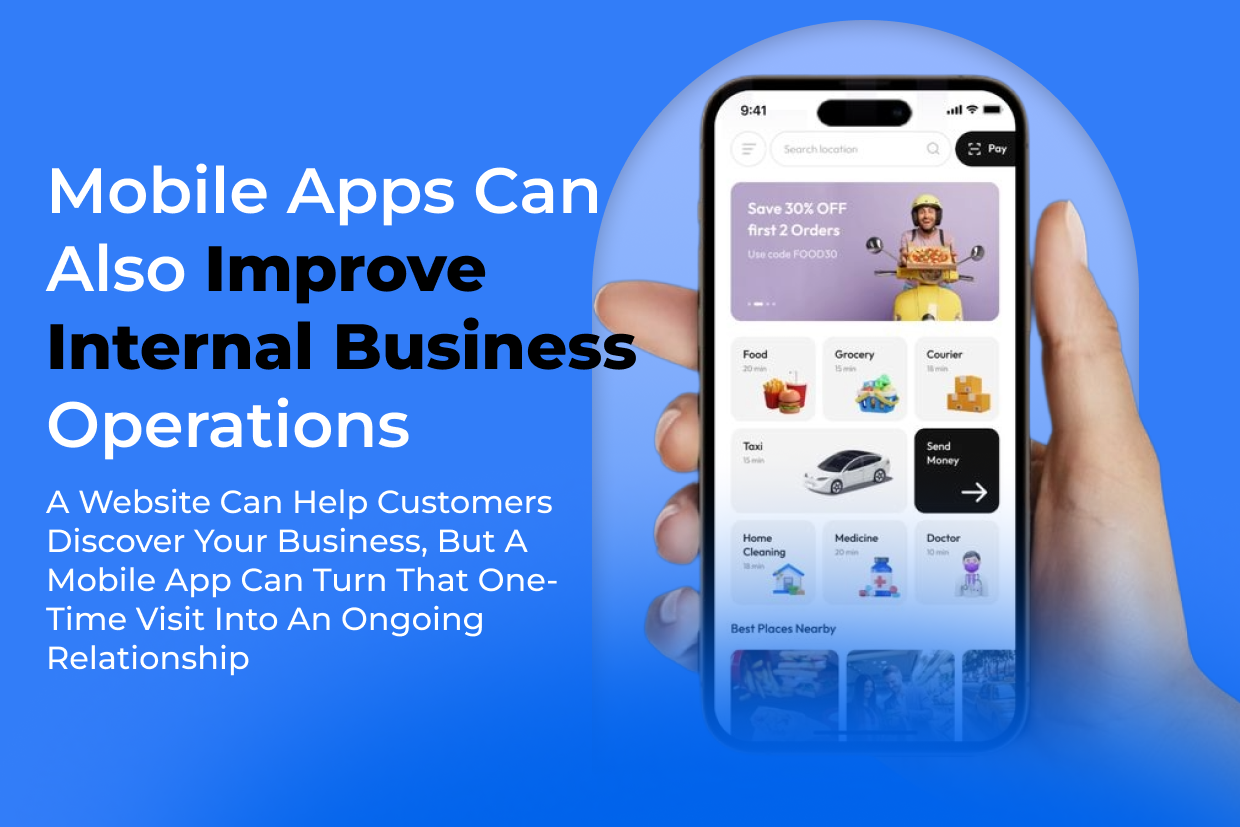
Mobile Apps Can Also Improve Internal Business Operations
Mobile applications are not only for customers.
Businesses can develop internal apps for employees, field teams, sales representatives, delivery executives, technicians, and managers.
For example, a field-service company can provide employees with an app where they can:
- View assigned jobs
- Update service status
- Upload photos
- Collect customer signatures
- Record work completed
- Track locations
- Generate service reports
This can reduce dependency on paper-based processes and disconnected communication channels.
What Makes a Mobile App Worth Keeping?
A successful mobile app does not need hundreds of features.
It needs to make important tasks faster, easier, and more useful.
A strong business app should focus on:
Speed — Important screens should load quickly.
Simplicity — Users should understand what to do next.
Reliability — Crashes and broken flows quickly destroy trust.
Personalization — Relevant information should be easier to access.
Security — Customer and business data must be properly protected.
Continuous Improvement — Analytics and user feedback should guide future updates.
Performance is especially important because technical problems such as crashes and slow experiences can directly contribute to users abandoning an app.
Website + Mobile App: A Better Digital Ecosystem
Businesses do not necessarily need to choose between a website and a mobile app.
They can work together.
Website
Helps with:
- Search visibility
- Brand discovery
- New customer acquisition
- Public information
- Content and SEO
Mobile App
Helps with:
- Repeat engagement
- Personalized experiences
- Customer accounts
- Notifications
- Frequent transactions
- Loyalty and retention
Together, they can create a stronger digital ecosystem where the website attracts customers and the app helps build long-term engagement.
Before Building an App, Ask These Questions
Before investing in mobile app development, businesses should understand the problem they are trying to solve.
Ask:
- What customer problem does the app solve?
- How frequently will customers use it?
- What existing process can be made easier?
- Which features are genuinely necessary?
- What information needs to be personalized?
- How will success be measured after launch?
This prevents businesses from spending heavily on features that customers rarely use.
Conclusion
A mobile app is not simply a smaller version of a website.
It can become a direct digital channel for customer engagement, repeat transactions, personalized experiences, service delivery, and business operations.
The strongest mobile applications are not built around the question "What features can we add?"
They are built around:
"What can we make easier for the customer?"
When a mobile application removes friction from an everyday task and consistently delivers value, it becomes more than an app on someone's phone—it becomes part of their routine.
At Vriksha Techno Solutions, we build customized mobile applications designed around real business requirements, customer journeys, and scalable technology. From concept and UI/UX design to development, API integration, testing, and deployment, we help businesses turn mobile ideas into practical digital products.
Frequently Asked Questions
If we already have a website, why do we need a mobile app?
A website helps customers find you, while a mobile app creates a direct channel that helps them stay connected with you.
When does a business actually need a mobile app?
When it can solve a specific customer problem, turn repeated tasks into simple actions, personalize the experience or communicate directly through push notifications.
What makes a mobile app worth keeping?
It solves a real problem and makes the first few minutes easy, since those minutes can decide whether users stay.
Ready to Build Your Next Digital Product?
Our experts will respond within 24 hours with a tailored approach for your project.