Jul 6, 2026
Software Testing Before Launch: A Practical QA Checklist
Before launch, test the core user journeys, payments including failures, behaviour on low-end phones and slow networks, login and data security, and performance with realistic data. Then automate the key journeys so every release is re-checked.

- Jul 3, 2026
Travel Website Development: Booking Engine, APIs and What to Build First
A travel website that earns bookings needs a reliable inventory source, a booking flow that matches how customers buy (instant or enquiry and quote) and payments that handle advances and balances. Most tour operators should start with strong package pages and a CRM-linked enquiry flow.

- Jul 2, 2026
Claude AI in Software Development: What It Speeds Up and What It Doesn't
AI coding assistants such as Claude speed up routine code, code reading, tests, documentation and debugging. They do not replace decisions on scope, architecture, security and testing. Expect faster delivery and better value, not half-price projects, if every AI-written change is reviewed and tested.

- Jul 1, 2026
Airbnb-Style Rental App Development: Features, Payments and Trust
An Airbnb-style app is a two-sided booking marketplace. What makes it work is the booking engine: calendar sync and date locks to stop double bookings, host pricing rules, deposits, automatic host payouts and cancellation refunds, plus verification and two-way reviews.

- Jun 30, 2026
Razorpay Payment Gateway Integration: A Practical Checklist
Integrate Razorpay in four steps: create the order on your server, open Checkout, verify the payment signature on the server, and confirm status with signed webhooks. Skipping the last two steps causes most paid-but-unpaid order problems.

- Dec 19, 2025
How to Keep Business Data Secure When You Add AI
To keep business data secure when you add AI, apply your existing access rules at retrieval time, send the model only the context each request needs, mask personal data, keep API keys on the server, log every answer and treat everything the model reads as untrusted input, with human approval for risky actions.
- Dec 16, 2025
How to Design a Business Dashboard People Actually Use
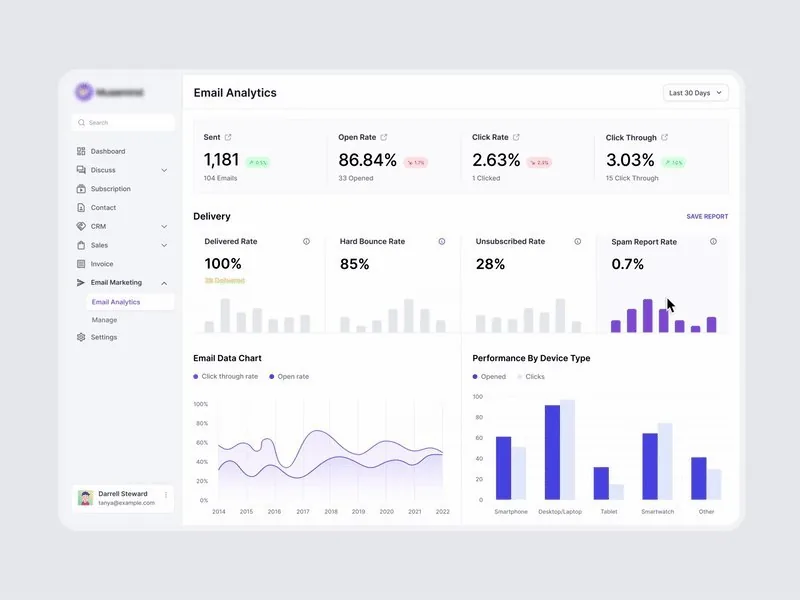
Design one dashboard per role, choose five to seven KPIs with written definitions, show every number against a target or previous period, put headline numbers at the top, add alerts so it reaches people, and check every figure against the source before launch.

- Dec 15, 2025
Cloud Cost Optimisation: How to Cut Your AWS, Azure or GCP Bill
Cut cloud costs by making spending visible with tags and budget alerts, removing idle servers and forgotten test environments, right-sizing to real usage, using reserved or savings pricing for steady workloads, moving old data to cheaper storage and fixing inefficient application code.

- Dec 12, 2025
UI Animation and Micro-Interactions: When Motion Helps and Hurts
UI animation helps when it gives feedback, shows where things came from, draws attention to one change or makes waiting clearer. Keep most animations to 150-300 ms, animate only transform and opacity, test on budget phones and respect the reduce-motion setting.

- Nov 28, 2025
Custom Dashboard Development: When to Build One vs Use a BI Tool
Build a custom dashboard when data lives in your own systems, many people need role-based views and teams act on live data during the day. If a few analysts read reports from standard tools, a BI tool such as Power BI or Looker Studio is usually cheaper.

- Nov 21, 2025
CRM Integration: Which Systems to Connect First and How
CRM integration connects your CRM to website forms, WhatsApp, email, payments, accounting and ERP so customer data flows automatically. Start with lead capture, then email and WhatsApp, then billing and accounting.

- Nov 20, 2025
How AI Is Changing Website Development: Cost, Speed and Limits
AI speeds up code drafts, content drafts, design exploration, testing and migration, so simple websites now cost less. It does not replace positioning, search structure, integrations, security review and performance work, which is where lead-generating and custom websites still need experienced developers.