Why Your Business Needs More Than Cloud Storage to Protect Its Digital Assets
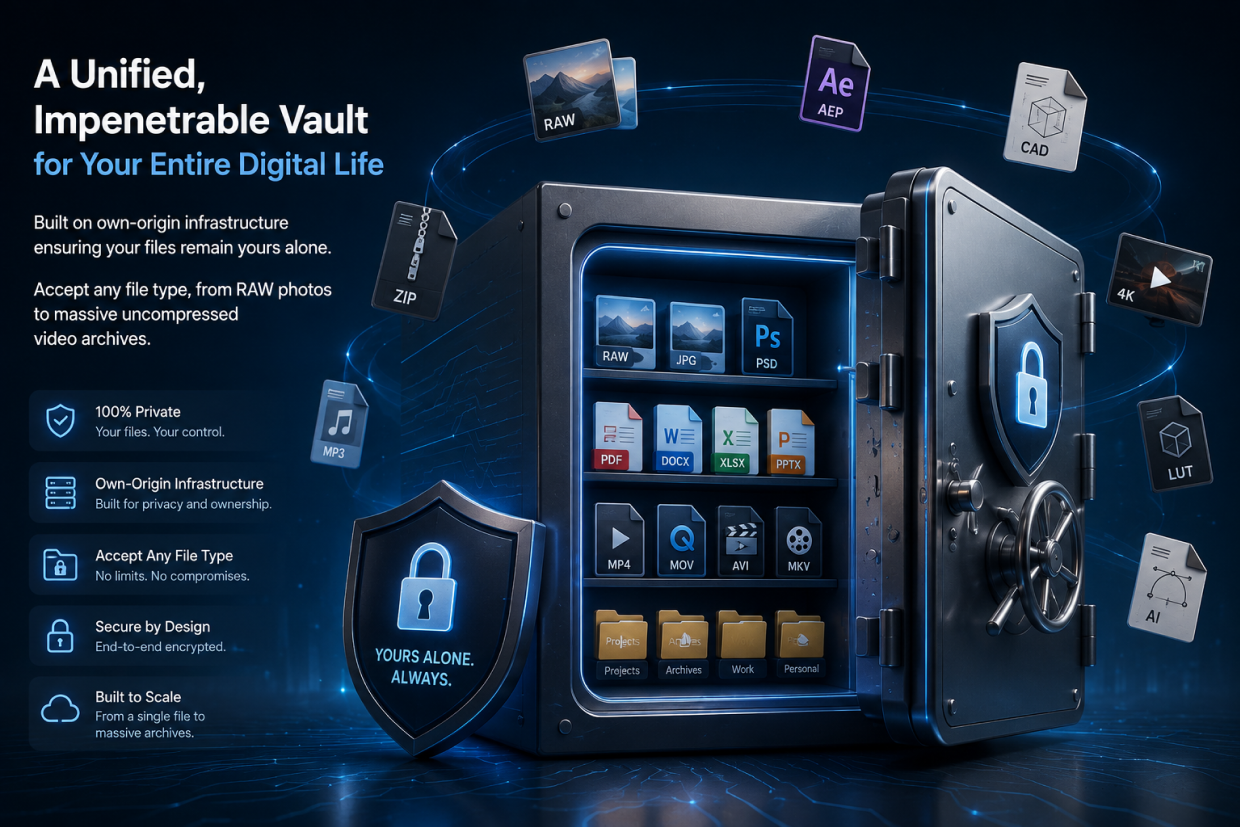
Short answer: Businesses need more than basic cloud storage to protect digital assets: centralized storage, secure access and control over their own data. Security should be built in through access control, encryption, permission management, backup and recovery and auditability, with a strategy for very large files.
A business moves its important files to the cloud and assumes the problem is solved.
Customer documents are stored online. Project files are backed up to a cloud drive. Employees can access everything from different locations. The company feels more secure because the data is no longer sitting on a local computer.
But cloud storage and data protection are not the same thing.
Storing a file safely does not automatically mean you can recover it, control who accesses it, or protect it from every type of incident.
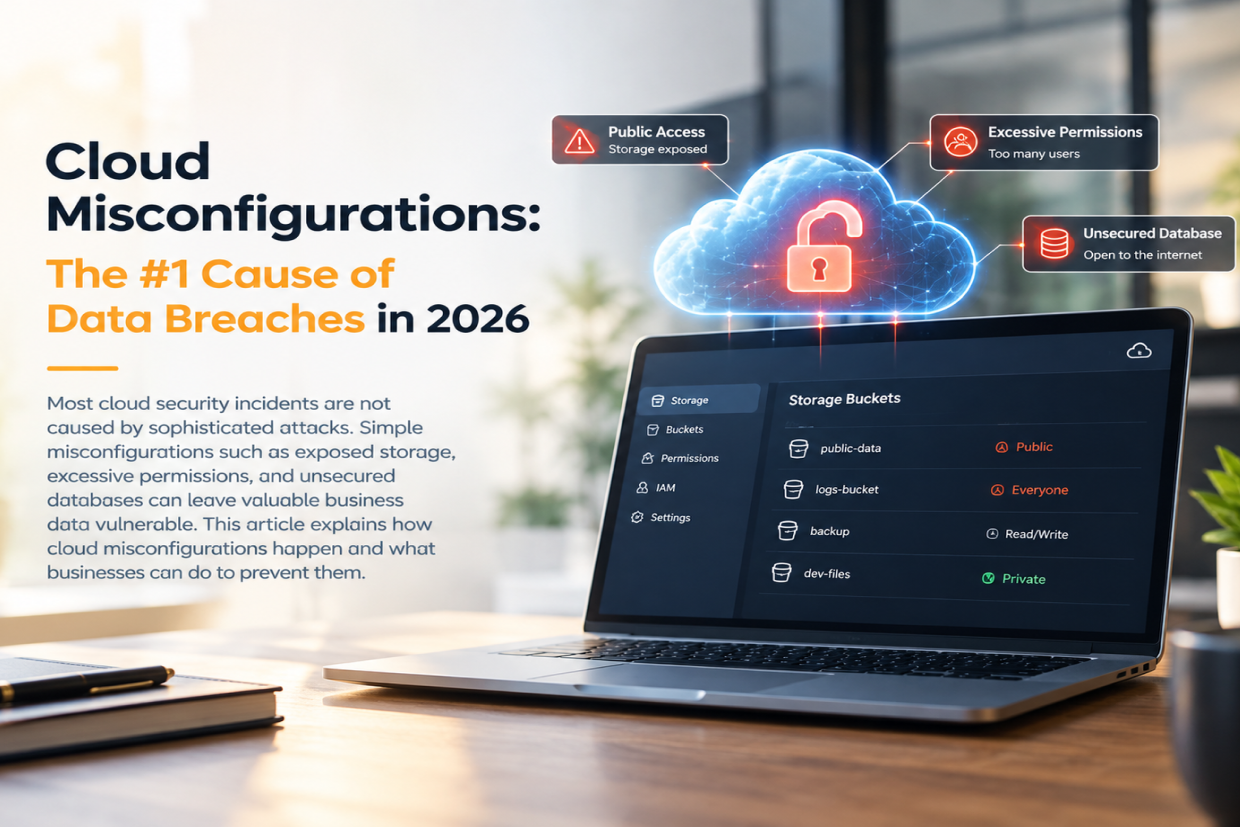
A user could accidentally delete an important document. A compromised account could provide access to sensitive files. A ransomware attack could affect synchronized folders. An employee could accidentally overwrite a critical file. A service configuration could expose information to the wrong users.
The cloud provides infrastructure for storing data. Businesses still need policies, access controls, backups, monitoring, and recovery processes around that data.
Storage Is Not the Same as Backup
One of the biggest misunderstandings is assuming that a file stored in the cloud is automatically a backup.
If the original file is deleted and that deletion is synchronized across systems, simply having the file in cloud storage does not necessarily provide the recovery capability the business needs.
A proper backup strategy should consider multiple copies, recovery points, retention, and restoration.
The important question is not only:
“Where is the file stored?”
It is also:
“What happens if this file disappears?”
Access Control Matters
Digital assets can include customer information, financial records, contracts, employee documents, source code, and internal business data.
Not every employee needs access to everything.
A good protection strategy should define who can view, edit, download, or share different types of information.
For example, finance documents may be restricted to finance staff, while marketing assets can have broader access.
The less unnecessary access a user has, the smaller the impact of a compromised account can be.
Accidental Deletion Can Be Just as Serious
Not every data loss event is caused by a cyberattack.
An employee can delete the wrong folder. A file can be overwritten. An important document can be replaced with an incorrect version.
Version history, retention policies, and independent backups can help businesses recover from these situations.
The goal is to make recovery possible without depending entirely on the person who caused the mistake.
Ransomware Changes the Risk
When business data is synchronized across devices and cloud services, a security incident can affect more than one location.
If an account or connected device is compromised, files may be encrypted, deleted, or modified.
This is why businesses should think beyond storage and consider:
Authentication, permissions, backup isolation, monitoring, and recovery procedures.
A backup that can also be modified or deleted by the same compromised account may provide limited protection.
Different Assets Need Different Protection
| Asset | Important Protection |
|---|---|
| Customer data | Access control and secure backups |
| Financial files | Restricted access and retention |
| Source code | Version control and recovery |
| Contracts | Version history and controlled access |
| Media assets | Backup and storage management |
| Business databases | Backup, monitoring, and recovery testing |
The protection strategy should match the importance and sensitivity of the data.
Recovery Should Be Tested
Having a backup is not enough.
A company may discover during an emergency that the backup is incomplete, outdated, difficult to restore, or dependent on a process nobody understands.
Regular recovery testing helps answer:
Can we actually get our data back?
Testing also helps identify gaps before a real incident occurs.
A backup that has never been restored is an assumption until it is tested.
Cloud Protection Needs a Complete Strategy
Protecting digital assets requires more than choosing a cloud storage provider.
Businesses need to think about where data is stored, who can access it, how copies are maintained, how long information is retained, how unusual activity is detected, and how systems can be restored after an incident.
Cloud storage is an important part of the solution, but it is only one layer.
Your business needs data protection, not just data storage.
At Vriksha Techno Solutions, cloud and DevOps solutions can include secure storage architecture, access management, backup strategies, monitoring, data recovery planning, and infrastructure security to help businesses protect critical digital assets beyond simply storing them in the cloud.
Frequently Asked Questions
Why is basic file storage not enough for a growing business?
As files multiply and scatter across locations, traditional storage becomes harder to manage, secure and control.
What security features should business file storage include?
Access control, encryption, permission management, backup and recovery, and auditability.
Why do massive files need a different strategy?
Very large files, such as RAW photographs and videos, need a different approach from ordinary documents.
Ready to Build Your Next Digital Product?
Our experts will respond within 24 hours with a tailored approach for your project.