 Sep 15, 2026
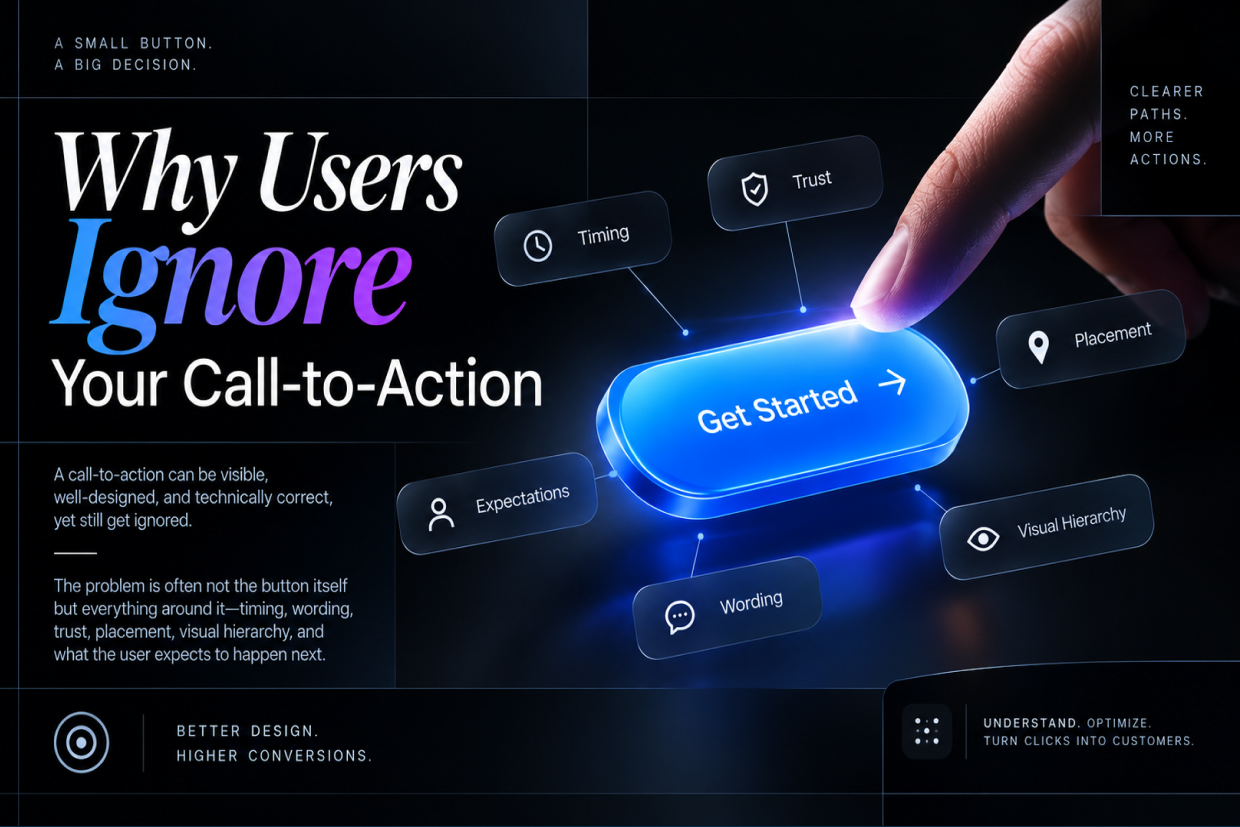
Why Users Ignore Your Call-to-Action
A call-to-action can be visible, well-designed, and technically correct, yet still get ignored. The problem is often not the button itself but everything around it—timing, wording, trust, placement, visual hierarchy, and what the user expects to happen next. This article explores why users ignore CTAs and how businesses can design clearer paths toward action.

- Sep 14, 2026
The Hidden Problem With Slow Websites and Large Images
A website can have good design, strong content, and reliable hosting and still feel slow because of one overlooked issue: heavy images. Large, unoptimized images increase page weight, delay important content, consume more bandwidth, and create a poor experience on mobile devices. This article explains how images slow websites down, where the problem usually comes from, and how businesses can improve performance without sacrificing visual quality.
- Sep 13, 2026
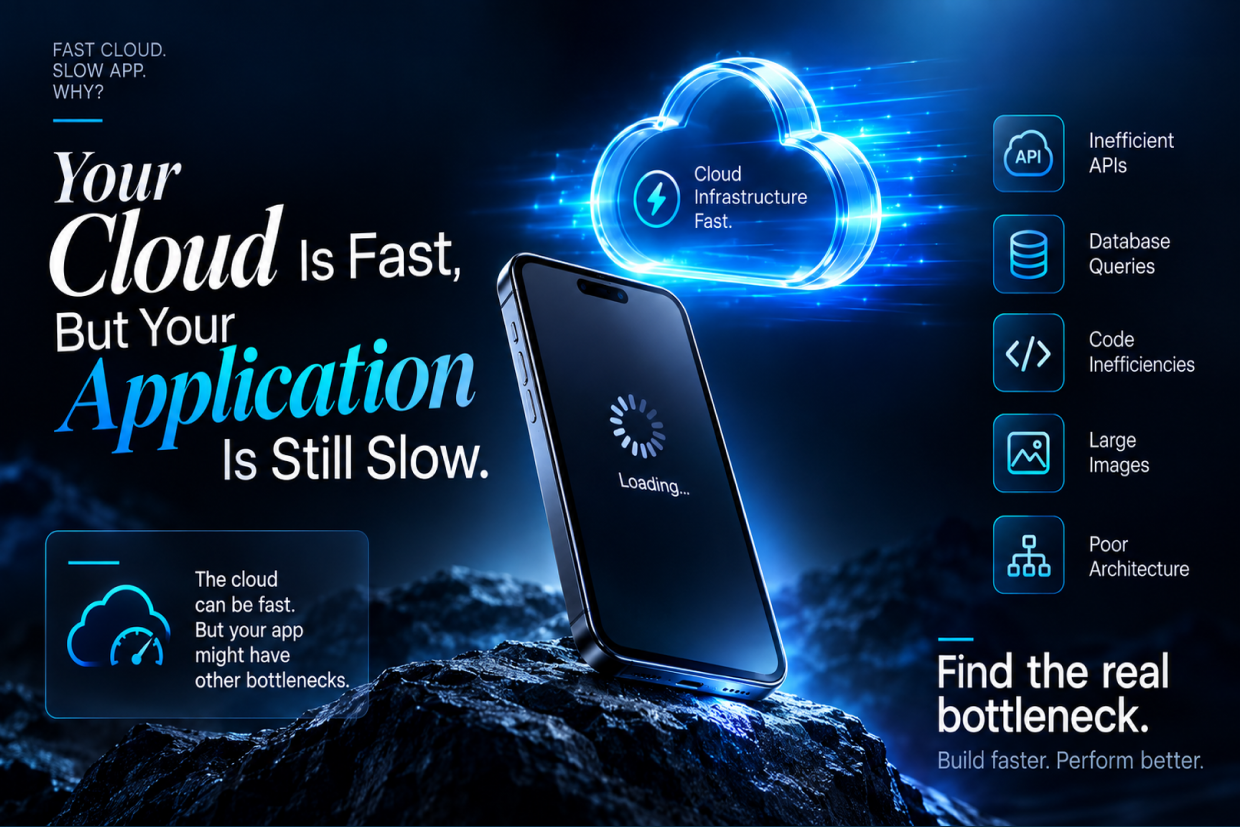
Your Cloud Is Fast, But Your Application Is Still Slow
Moving an application to a powerful cloud server does not automatically make it fast. Learn why applications can remain slow because of inefficient APIs, databases, code, images, and architecture—and how businesses can identify the real bottleneck.

- Sep 12, 2026
Why the Same App Behaves Differently on Different Phones
The same mobile application can work perfectly on one device and behave differently on another. Discover why screen sizes, operating systems, hardware, network conditions, permissions, and device capabilities create inconsistent app experiences—and how proper mobile app development can prevent them.

- Sep 11, 2026
Why Your Online Store Has Traffic but Few Completed Orders
Your online store may be attracting visitors but still losing sales before checkout. Learn why customers abandon their purchases and how better website design, checkout flows, performance, and trust can turn more visitors into customers.
- Sep 9, 2026
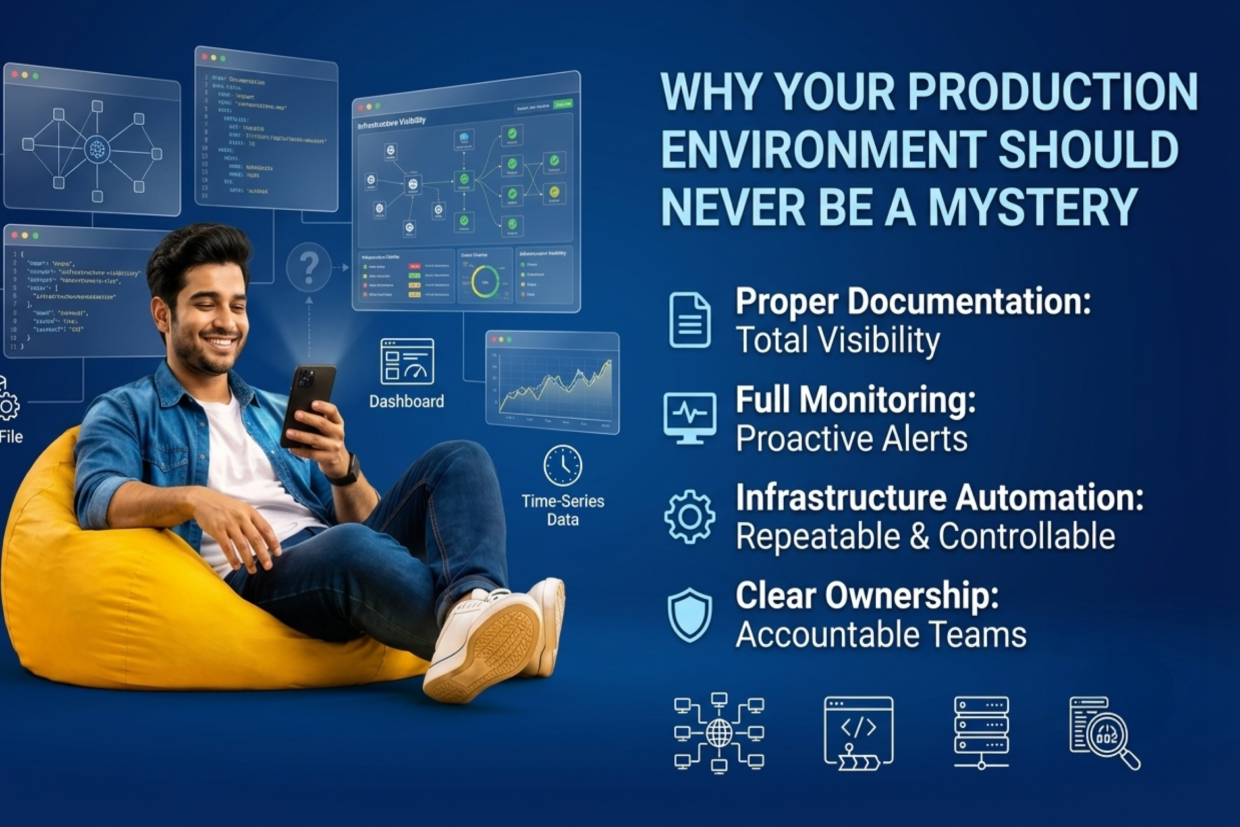
Why Your Production Environment Should Never Be a Mystery
When nobody knows what is running in production, even a small issue can become a major incident. Learn how proper documentation, monitoring, infrastructure automation, and ownership help businesses understand and control their production environment.
- Sep 1, 2026
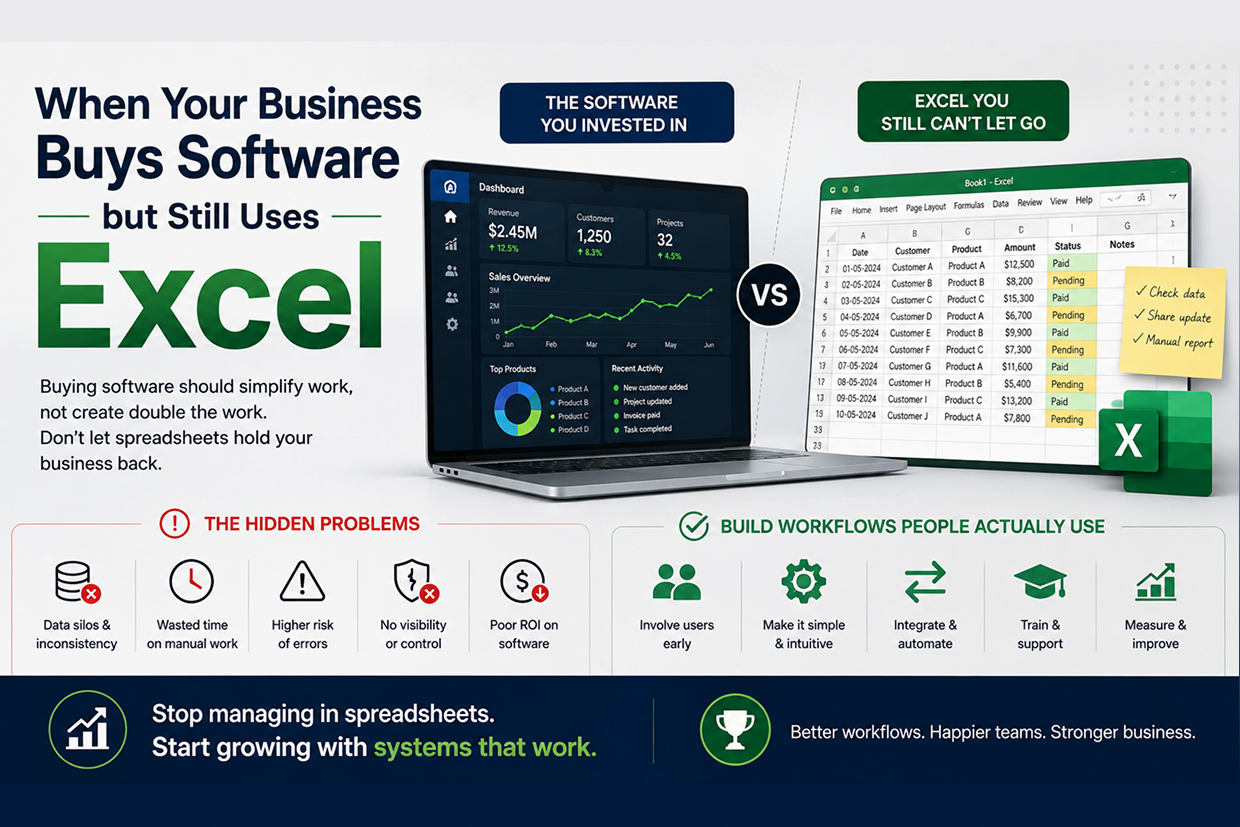
When Your Business Buys Software but Still Uses Excel
Buying business software should simplify operations, but many teams continue using Excel alongside expensive software. Discover why this happens, the hidden problems it creates, and how businesses can build workflows employees actually use.

- Aug 31, 2026
Why Your App Uses More Battery Than Your Users Expect
A mobile app can have great features and still frustrate users if it drains their battery. Learn how background activity, location services, network requests, and inefficient app processes can increase battery usage and what businesses can do to prevent it.
- Aug 30, 2026
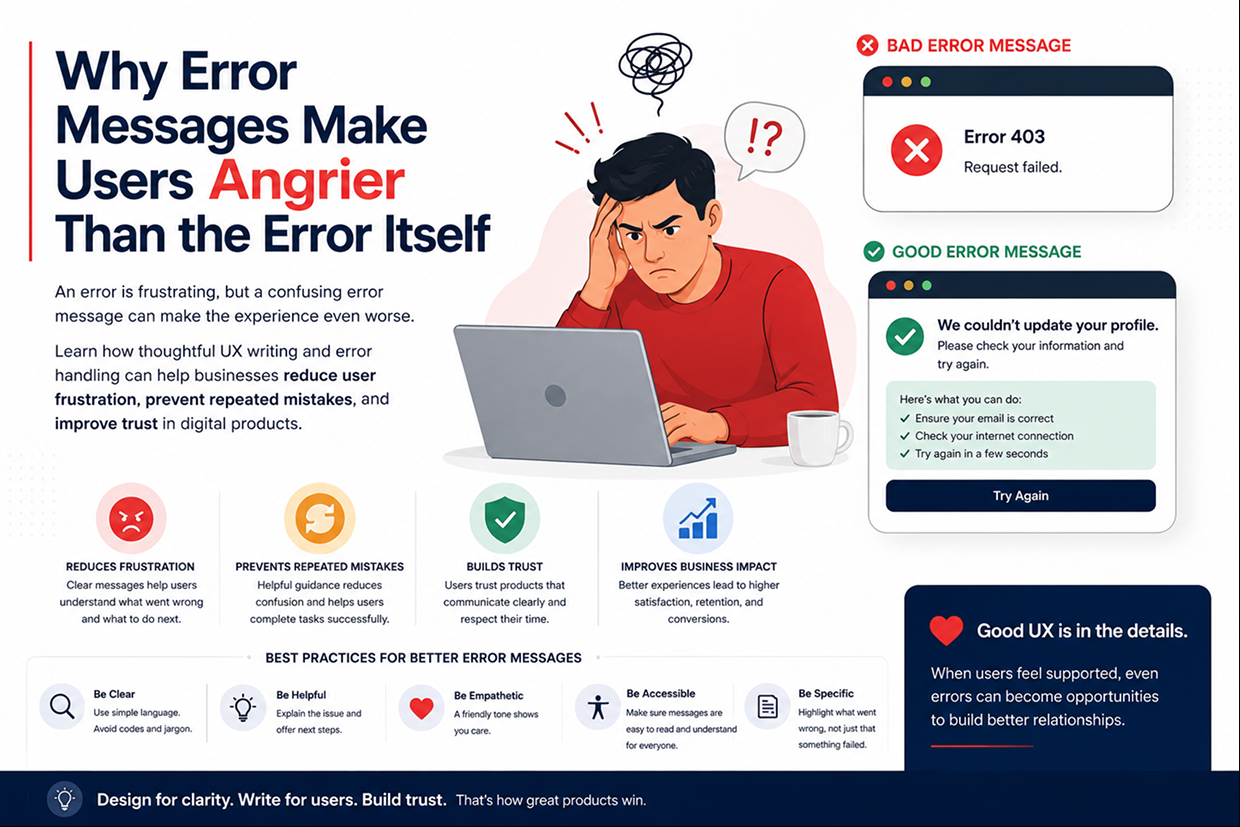
Why Error Messages Make Users Angrier Than the Error Itself
An error is frustrating, but a confusing error message can make the experience even worse. Learn how thoughtful UX writing and error handling can help businesses reduce user frustration, prevent repeated mistakes, and improve trust in digital products.
- Aug 29, 2026
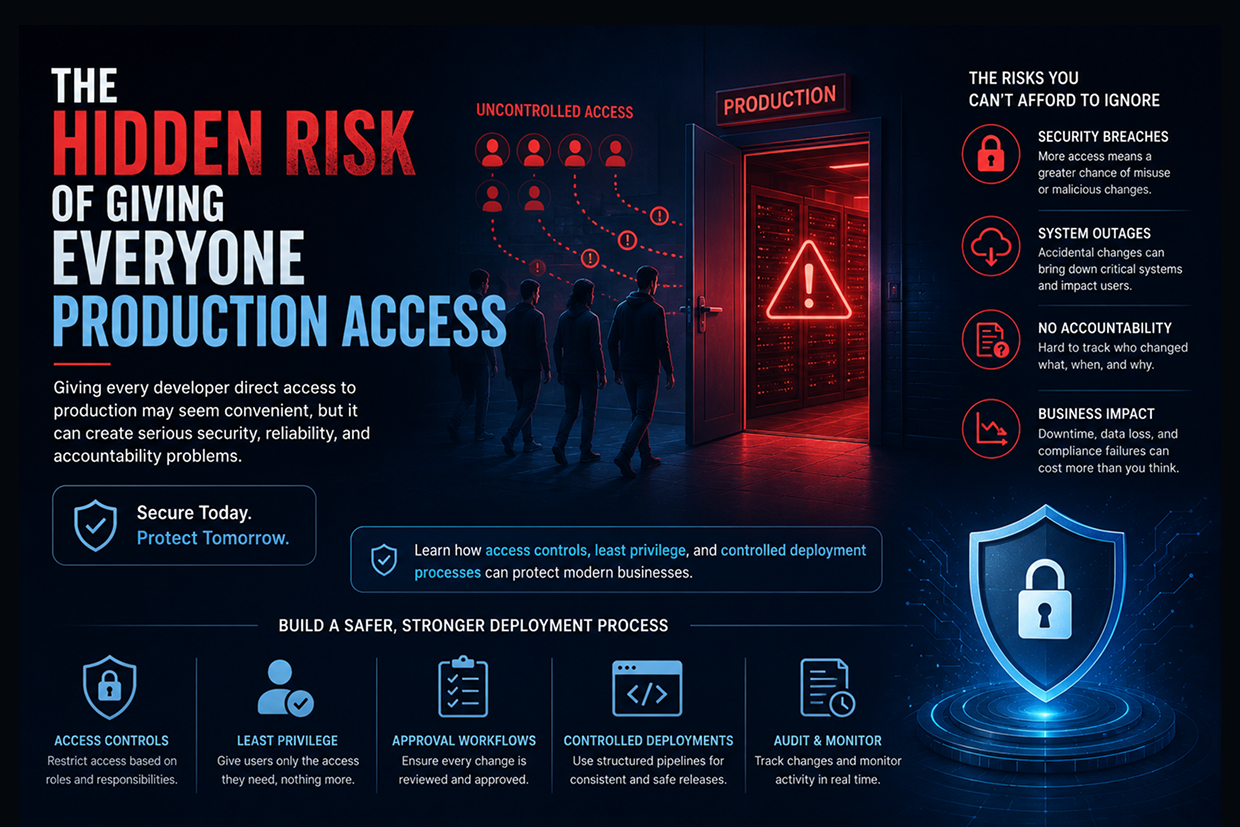
The Hidden Risk of Giving Everyone Production Access
Giving every developer direct access to production may seem convenient, but it can create serious security, reliability, and accountability problems. Learn how access controls, least privilege, and controlled deployment processes can protect modern businesses.
- Aug 28, 2026
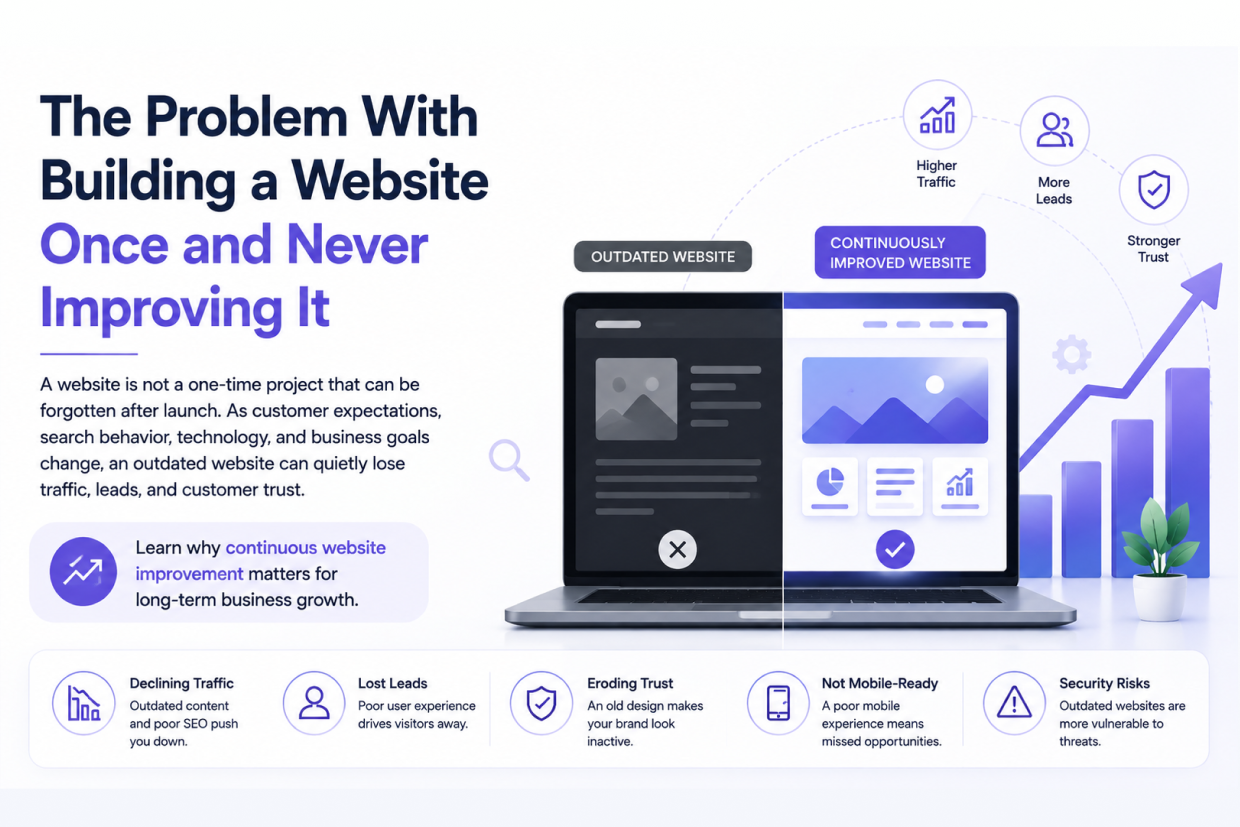
The Problem With Building a Website Once and Never Improving It
A website is not a one-time project that can be forgotten after launch. As customer expectations, search behavior, technology, and business goals change, an outdated website can quietly lose traffic, leads, and customer trust. Learn why continuous website improvement matters for long-term business growth.
- Aug 27, 2026
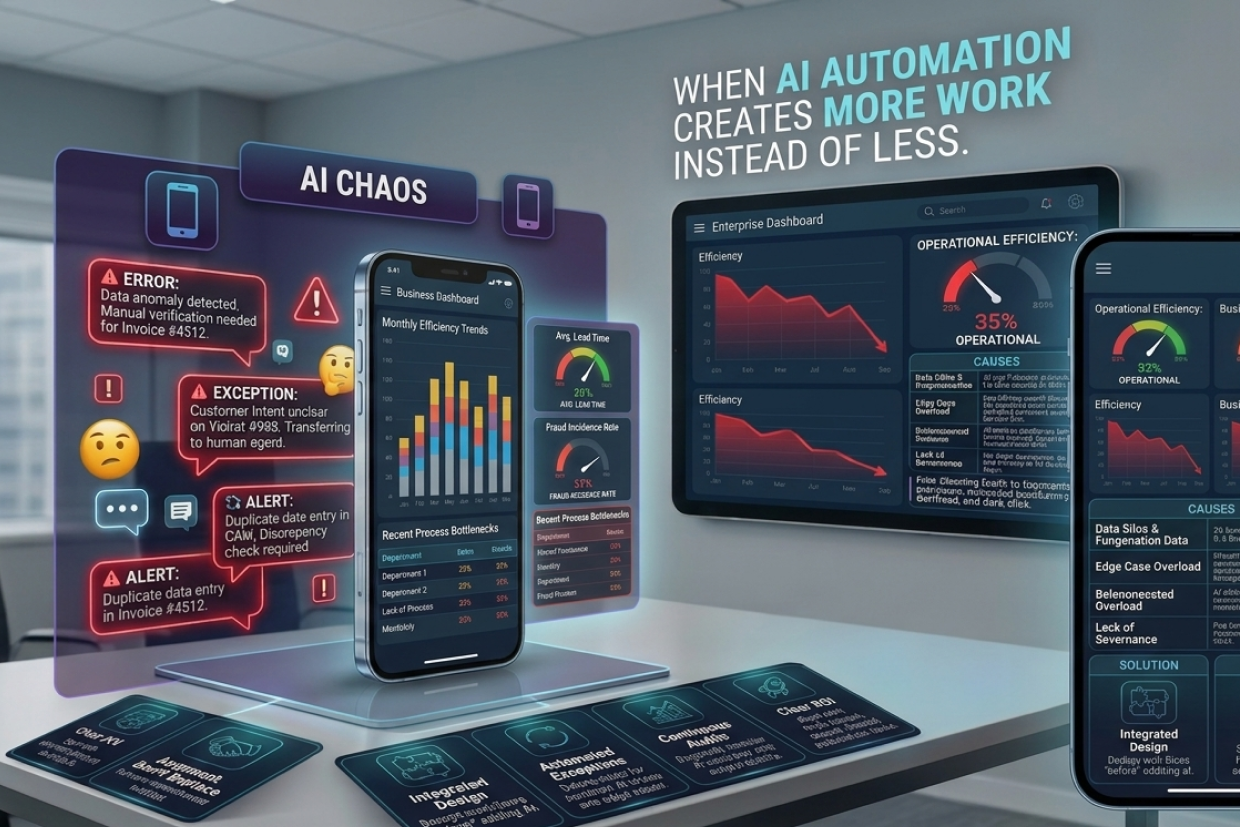
When AI Automation Creates More Work Instead of Less
AI automation is supposed to reduce repetitive work, but poorly planned implementations can create new tasks, more exceptions, and additional monitoring for employees. Learn why AI automation fails and how businesses can design workflows that actually save time.